
Last updated November 22, 2026
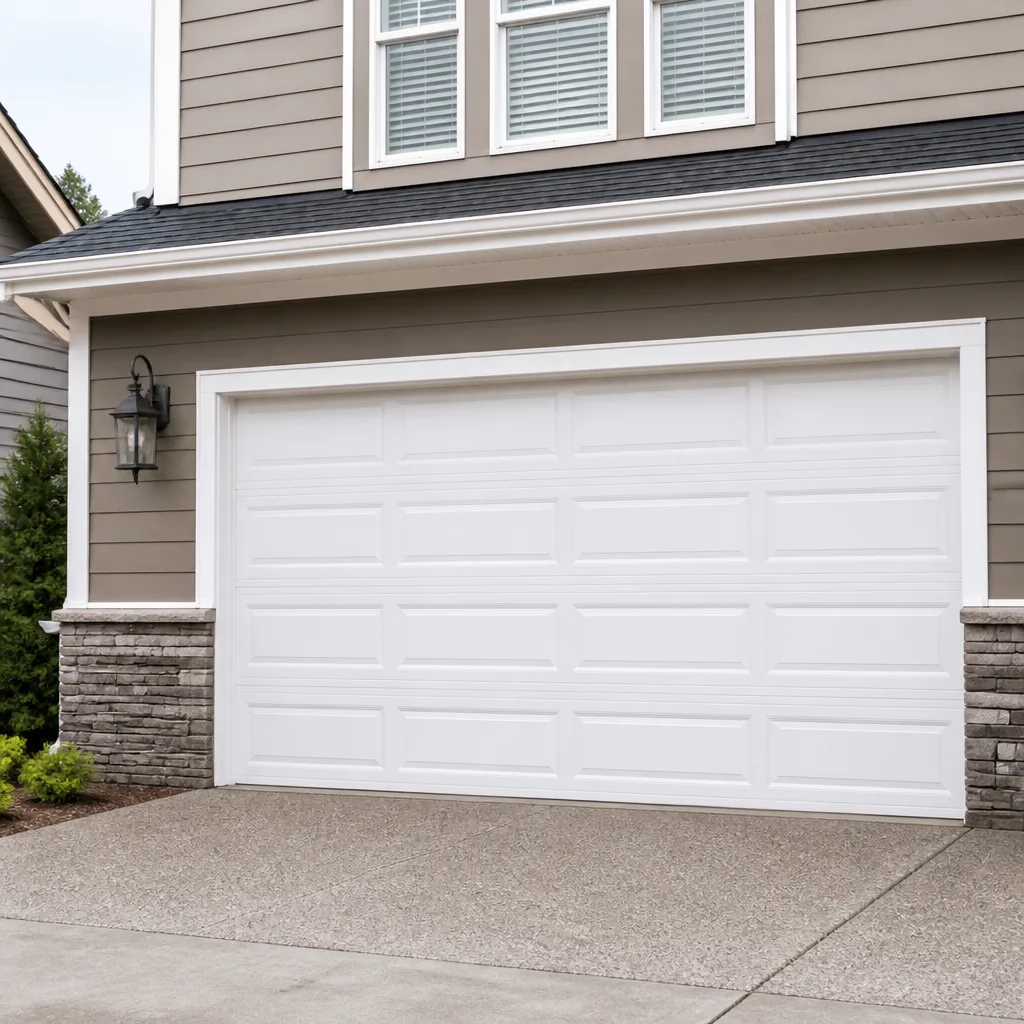 Raised-panel steel
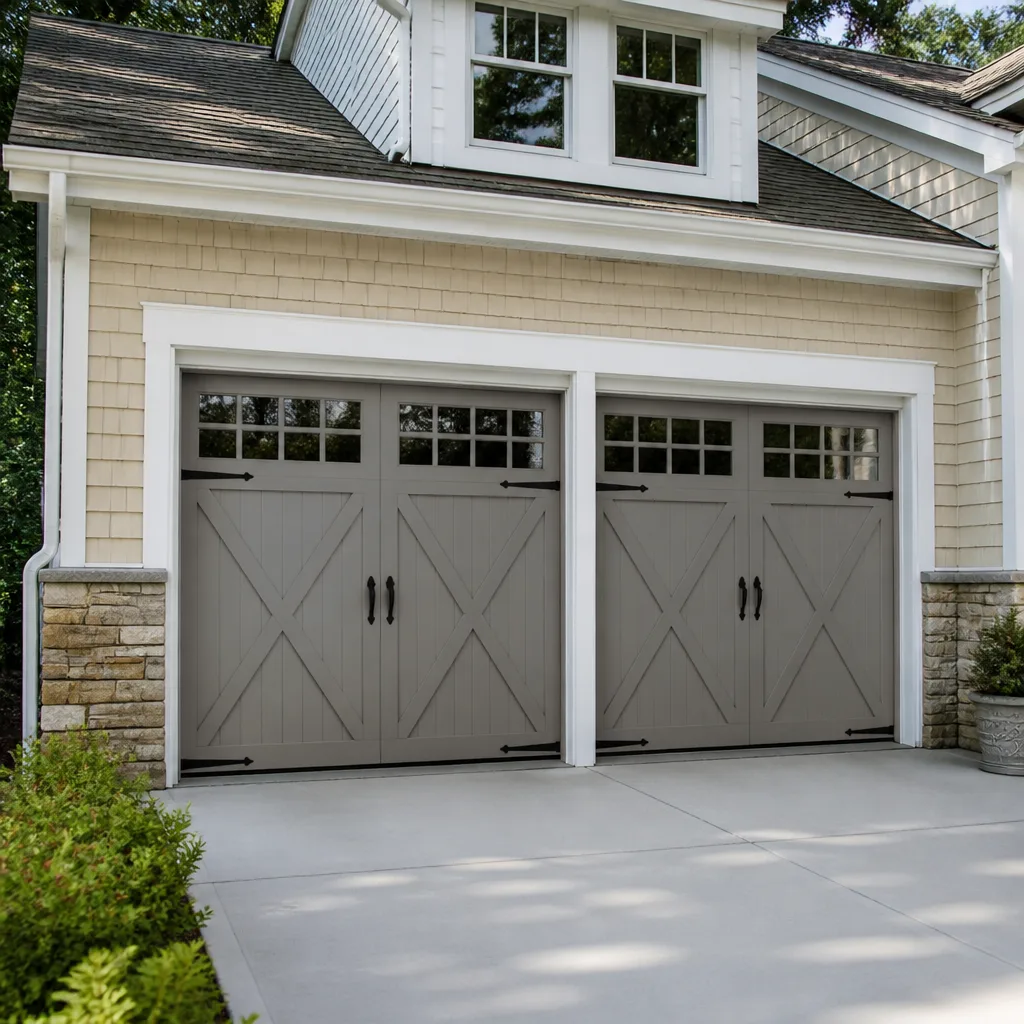 Carriage house
 Modern flush
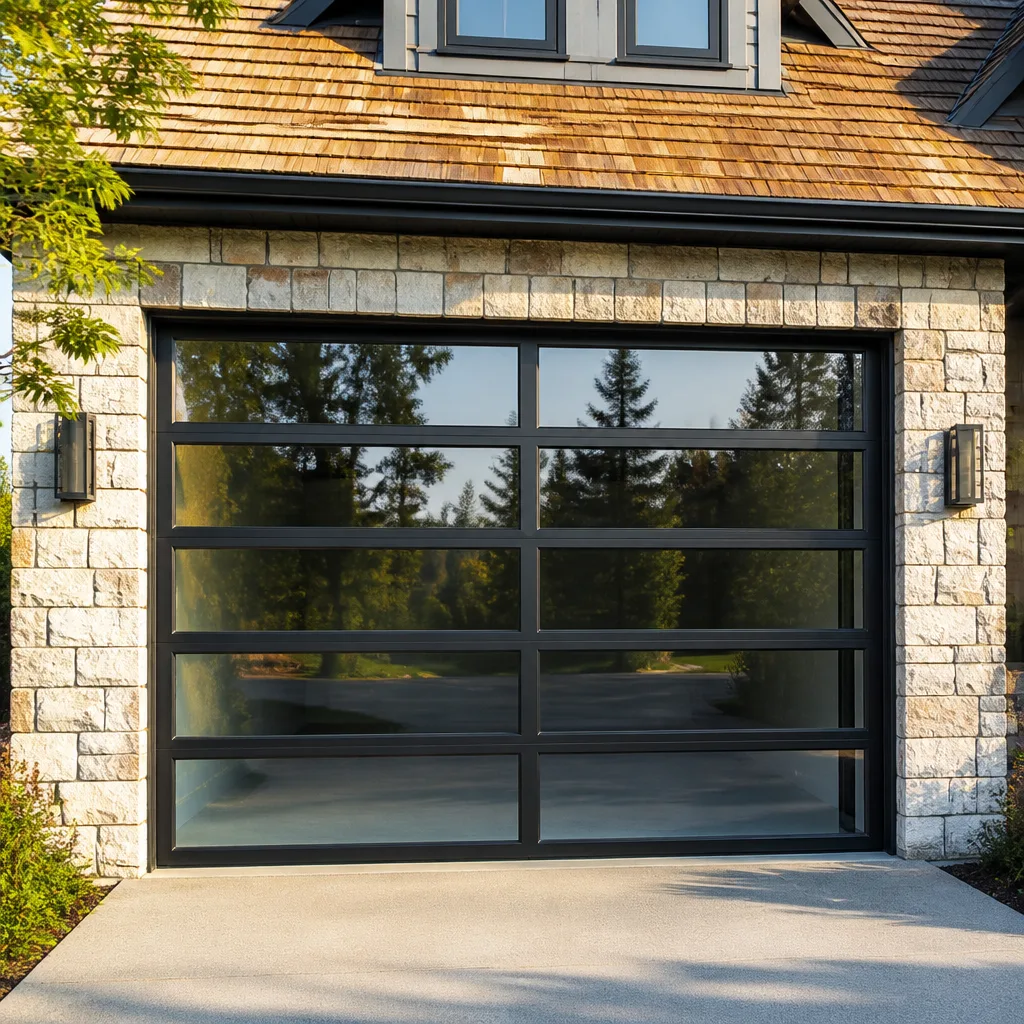 Full-view glass
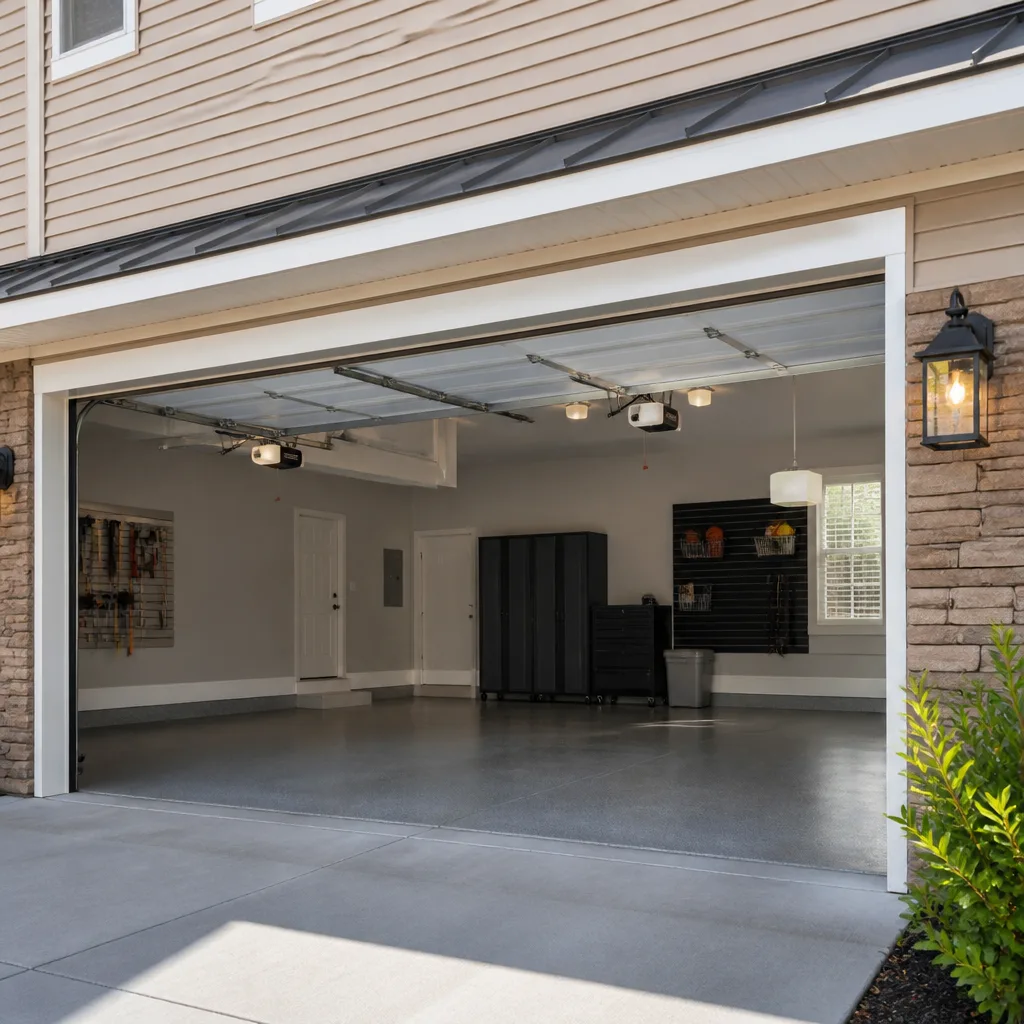 LiftMaster openers
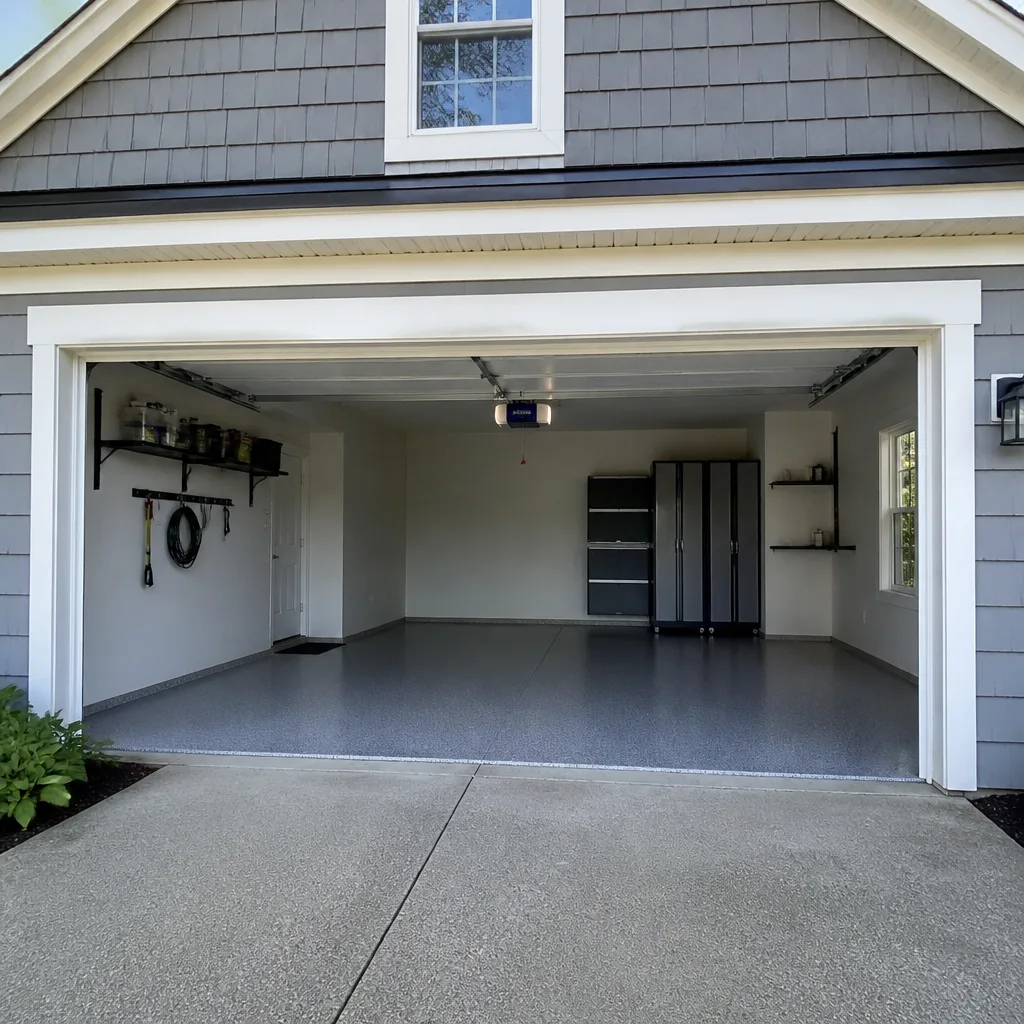 Chamberlain openers
Full 25-point door and opener safety check with every visit - springs, cables, rollers, tracks, and your LiftMaster or Chamberlain opener included
You get a price before we start. It does not change when the pro arrives.
Get your free estimateHow to Hire a Garage Door Contractor in Portsmouth: A Step-by-Step Guide
Virginia does not require a specialty license to replace a garage door. That single fact reshapes how you should hire. The lowest bidder answering your quote request may hold nothing more than a general contractor registration, with zero documented garage door training, and the state will not stop them from quoting your job. Licensing in Virginia is a floor, not a ceiling. What separates a contractor who will do this correctly from one who will leave you with a door that binds, a spring on borrowed time, or a warranty that disappears when you need it is a vetting sequence most homeowners never run. This guide walks you through that sequence for a Portsmouth home: which credentials actually matter, what to ask, and how to read an estimate.
Quick Answer
To hire a garage door contractor in Portsmouth, verify a Virginia DPOR contractor license (Class A or B depending on job value), confirm general liability and workers’ compensation coverage in writing, ask five wind-load and brand-specific interview questions, and reject any written estimate with vague labor lines, missing brand and model specs, or “parts as needed” language. The written estimate, itemized and signed before work starts, is the price you pay.
Styles & brands we work with
- Raised-panel steel
- Carriage house
- Modern flush
- Full-view glass
- LiftMaster openers
- Chamberlain openers
Table of Contents
- Step 1: Verify the Right Virginia Credentials
- Step 2: Confirm Insurance Covers the Actual Work
- Step 3: Ask Five Interview Questions That Expose Real Competence
- Step 4: Understand Wind-Load Compliance for Portsmouth
- Step 5: Read the Written Estimate Line by Line
- Step 6: Get a Warranty That Protects You, Not the Dealer
- Red Flags That Should End the Conversation
- When to Call a Professional
Step 1: Verify the Right Virginia Credentials
Start with the Virginia Department of Professional and Occupational Regulation (DPOR). Contractor licensing in Virginia runs through a defined set of classes, and the class matters for the work you’re hiring. A Class A license covers single projects of $120,000 or more. A Class B license covers single projects between $10,000 and $120,000, or annual volume up to $750,000. A Class C license covers smaller projects. For a typical residential garage door replacement in Portsmouth, a Class B or C contractor is legally sufficient, but you want to see the license number and confirm it is current and in good standing before anyone sets foot on your property.
What the license does not cover is the specific technical competence for garage doors. Virginia does not issue a garage-door-specific specialty license. That means the license tells you the contractor met the state’s business and general competency threshold; it tells you nothing about whether they understand torsion spring physics, panel weight distribution, or opener limits. The license is a ticket to be considered, nothing more.
When you verify a contractor on the DPOR site, confirm three things:
- The license class matches the scope of your project.
- The license is active and not expired, suspended, or under disciplinary action.
- The business name on the license matches the name on the estimate and the contract.
A contractor who cannot produce a license number promptly, or whose business name does not match, is telling you something. General contractor registration is not the same as a specialty trade credential, and on this trade the gap between a registered generalist and a technician who has replaced hundreds of torsion systems is what determines whether your door works correctly or fails early. If you’re hiring for garage door repair, ask for the license number before you book the appointment, not after.
Step 2: Confirm Insurance Covers the Actual Work
General liability insurance is standard and expected. Workers’ compensation coverage is where many small garage door operators cut corners, and it matters more than most homeowners realize. If a technician is injured on your property while you are the customer and that technician is not covered by the contractor’s workers’ comp, you may bear legal exposure. Ask for certificates of insurance for both, directly from the insurance carrier, not a photocopy from the contractor’s folder.
Torsion spring work carries higher liability than most garage door tasks. A wound torsion spring under load can cause serious injury if it releases incorrectly, and it can damage the door, the track, or surrounding property. Ask specifically whether the contractor’s liability coverage extends to spring replacement and opener installation, not just general handyman tasks. The coverage limits on a general handyman policy may be lower than what a garage door specialty contractor carries.
Three documents to request before scheduling:
- Certificate of general liability insurance, current, with coverage limits visible.
- Certificate of workers’ compensation coverage, or a valid exemption where applicable.
- Written confirmation that the policy covers garage door repair, spring work, and installation.
If a contractor hesitates on any of these, that hesitation is the answer. Insurance certificates take minutes to send and every legitimate operation can produce them. The local pro is licensed and insured as their state requires, and getting proof in writing protects you both.
Step 3: Ask Five Interview Questions That Expose Real Competence
The license is paperwork. The interview is where you separate a specialist from a generalist. These five questions cut through the sales talk.
- “What brand is on my door and on my opener right now, and what does that change about the repair?” A technician who works across major brands answers this in seconds. Craftsman and LiftMaster openers have different limit and force adjustment procedures. Clopay and Raynor doors have different panel and hardware conventions. Someone who has to look it up is not a specialist.
- “How do you test the door balance before and after spring work?” A competent answer describes the manual release test and the half-open balance check. A vague answer that skips to “we’ll make sure it works” is a sign the technician is guessing.
- “What’s the difference between a torsion and an extension spring system, and how do you know which mine is?” This is basic trade knowledge. Anyone who cannot answer clearly is not qualified to replace either.
- “How do you handle wind-load requirements for a replacement door in Portsmouth?” Coastal Virginia has defined wind-load considerations. A contractor who cannot discuss them is a generalist who will install whatever the supplier ships.
- “What’s in the written estimate, line by line, and will the price change after you start?” The correct answer is a written, itemized estimate with brand and model specs, and a firm price. If the answer is “we’ll see once we open it up,” walk.
The strongest signal in these questions is brand fluency. garage door opener repair on a LiftMaster or Chamberlain unit is a different procedure than on a Genie or Craftsman, and a technician who has worked on all of them will answer with specifics, not generality. We work on your brand, and that’s the standard to hold anyone to.
Step 4: Understand Wind-Load Compliance for Portsmouth
Wind load is the design pressure a garage door must withstand under local wind conditions. Portsmouth sits in a coastal zone, and the building code adopted by the City of Portsmouth sets wind-load requirements for exterior openings, including garage doors. When you replace a door, the replacement must match or exceed the design requirements for your location and the building it’s attached to. This is not a detail a general handyman will raise, and it’s not one you should have to raise yourself.
Wind-load compliance affects the door, the hardware, and the installation method. A door rated for a lower wind load than the application requires can fail at the track, the panel, or the reinforcement. The result on a high-wind day is a door that deforms, separates, or leaves the opening. The installation details, including reinforcement struts, heavier-gauge track, and correct anchoring, are part of what makes a door compliant, not optional extras.
Ask your contractor three wind-load questions before signing:
- What wind-load rating does the replacement door carry, and where is that documented?
- Does the installation include the reinforcement and anchoring specified for that rating?
- Will the contractor or the door supplier confirm compliance in writing?
If you’re unsure what’s required for your property, ask the City of Portsmouth building department. Permits are typically required for garage door replacement and for structural changes to the opening, and the building department can tell you exactly what your application needs. A legitimate contractor will bring this up before you ask. One who waves it off is telling you they don’t work with the code.
Step 5: Read the Written Estimate Line by Line
The written estimate is where most homeowners lose money on a garage door project, and the loss rarely comes from the number at the bottom. It comes from what’s missing. Vague language is not an accident. It’s how a quote becomes an invoice that’s larger than what you agreed to. Before you accept any estimate, read it for these defects.
Vague labor line items. “Labor” as a single line tells you nothing. A clean estimate shows labor separated from parts, with the scope of work described: remove old door, install new door, adjust spring tension, set opener limits, test safety reverse. If the labor line is a lump sum, ask what it covers.
Missing brand and model specifications. The estimate should name the door manufacturer and model, the opener make and model, and the spring type and quantity. A quote that says “standard sectional door” or “quality opener” is a quote that can be filled with whatever is cheapest on the day. If you’re having a spring replaced, the estimate should specify one spring or a matched pair, and the price should reflect that difference. A matched pair is usually replaced together, and a pair costs about twice a single spring. The written estimate is the price, so get the details right before you sign.
“Parts as needed” language. This phrase enables post-job price inflation. It gives the contractor permission to add parts at whatever price they choose once the work is done. A legitimate estimate either includes the parts you need or states how additional parts will be quoted and approved in writing before installation. On a torsion system, the cables, drums, bearings, and center bracket are all predictable. A contractor who has actually inspected the door can quote them.
When you compare three quotes for the same job in Portsmouth, the cheapest is rarely the cheapest. Pricing is per job by written estimate, and the itemized quote tells you whether the contractor has actually looked at your door. If you’re weighing repair against replacement, our guide to garage door spring repair covers the decision from the spring side, which is where many of these jobs actually land.
Step 6: Get a Warranty That Protects You, Not the Dealer
A warranty that travels with the parts but not the labor is half a warranty. Many garage door installs come with a manufacturer warranty on the door or opener, and that warranty is real, but it does not cover the cost of the technician who returns to replace a defective part. If the springs fail in year two and the manufacturer’s warranty covers the spring, you may still pay for the diagnosis and the labor to install the replacement. Ask exactly what the manufacturer covers and what the installer covers.
A legitimate warranty on a garage door repair or installation has three parts:
- Manufacturer warranty on the door, opener, or spring itself, with the term and what it covers stated in writing.
- Labor warranty on the installation, with its own term. Ask how long, and whether it covers diagnosis and return visits.
- Service call clarity. Ask whether a return visit for a labor issue under warranty is free, and get the answer in writing on the estimate.
Dealer warranty pass-throughs, where the contractor hands you the manufacturer’s paperwork and calls it done, leave you exposed on labor. A spring that fails early is a manufacturing issue, but the work to replace it is real cost, and a contractor who stands behind their labor will say so up front. Ask them.
Red Flags That Should End the Conversation
Some signs are serious enough to stop the process entirely. Any one of these is reason to look elsewhere.
- No license number on the estimate. Virginia contractors are required to include their DPOR license number on contracts and advertising. A quote without one is either a mistake or a deliberate omission.
- Cash-only and no written contract. A contractor who will not put the work in writing is telling you they do not intend to be answerable for it. The written estimate is your only real protection.
- Pressure to sign on the spot. Garage door installs are measured, ordered, and scheduled. Legitimate contractors want you to compare quotes. Anyone pushing same-day signing is selling urgency, not expertise.
- No discussion of wind-load requirements. A Portsmouth contractor who doesn’t mention wind load on a replacement door doesn’t understand the code for this location.
- “We can fix anything” positioning. A generalist who claims to handle plumbing, electrical, roofing, and garage doors is not a garage door specialist. Depth in this trade comes from doing it repeatedly, across brands and systems.
- Refusal to name the brand and model. If the contractor can’t or won’t name the door and opener brands being installed, you cannot independently verify what you paid for.
- No insurance documents. A contractor who won’t send certificates is a contractor whose liability lands on you if something goes wrong.
What Spring Work Specifically Demands
Springs are the most dangerous part of a garage door, and the vetting standard for spring work is higher than for anything else on the system. The spring stores the energy that lifts the door. A torsion spring under load can release with enough force to seriously injure someone standing in the wrong place, which is why this is not a task for a generalist or a homeowner with a how-to video. We handle them so you don’t have to, and the reason that service exists separately is because it demands different training and different insurance coverage than a routine adjustment.
When you are hiring for spring work specifically, confirm three additional things:
- The technician has direct, repeated experience with torsion systems, not just extension springs.
- The estimate states the spring type, the gauge, and whether one or both springs are being replaced.
- The liability coverage explicitly includes spring replacement.
If your door has a snapped spring and won’t move, that’s an emergency situation. A door that won’t open blocks a vehicle and compromises the security of the home. We answer 24/7. Fast dispatch from 7am to 7pm, Sunday through Friday. When you call, have the door brand and the opener brand ready. It shortens the diagnosis and gets the right parts on the first visit.
What a Proper Service Visit Actually Looks Like
Once you’ve hired well, the visit itself should follow a predictable sequence. Knowing what to expect lets you judge whether the technician who arrives is working to the standard you vetted for.
- Inspection before quoting. The technician looks at the door, the tracks, the hardware, the springs, and the opener before naming a price. If the price comes before the inspection, it’s a guess.
- Written estimate in hand. You get the itemized price in writing and you approve it before any work starts. The written estimate is the price.
- Work performed to the scope you approved. If the technician discovers an additional problem, they stop and quote it in writing, and you approve or decline.
- Testing at the end. Balance test, safety reverse test, and a full open-close cycle with you watching. Ask them to run the door and let you look at it before they leave.
The written estimate is the price. If the technician’s final invoice does not match the approved estimate, you have a legitimate dispute. This is why the written, itemized quote matters at the start. It gives both of you a clear record.
Common Mistakes to Avoid
- Hiring the lowest bidder without verifying the license. In Virginia, a garage door replacement does not require a specialty license, so a low quote may be coming from a registered generalist with no garage door training. Verify the DPOR license number before you decide.
- Accepting a verbal quote. A verbal number has no standing. If the price isn’t in writing, itemized, and signed, it isn’t the price. The written estimate protects you on a Portsmouth job as much as anywhere.
- Skipping the wind-load conversation. A replacement door that isn’t rated for the local wind load can fail under the conditions the rating is designed for. Ask about wind-load compliance for every door replacement, not just new construction.
- Letting “parts as needed” into the estimate. This one phrase allows post-job price inflation on every component the technician decides to swap. Get the parts itemized or get a written approval process for extras.
- Not asking about warranty labor coverage. A manufacturer warranty that covers the part but not the return visit is a warranty that leaves you paying labor for a manufacturing failure. Ask what the installer covers separately.
- Assuming a general handyman can handle spring work. Torsion springs are the most dangerous part of the door, and the liability exposure is higher than a standard repair. A generalist who offers to “take a look at the spring” is a risk to you and to themselves.
- Trying to save by hiring across the water without checking dispatch. If a contractor covers the whole Hampton Roads region, ask how quickly they can get a technician to a Portsmouth address when the door fails, and whether that answer holds during a stretch of bad weather.
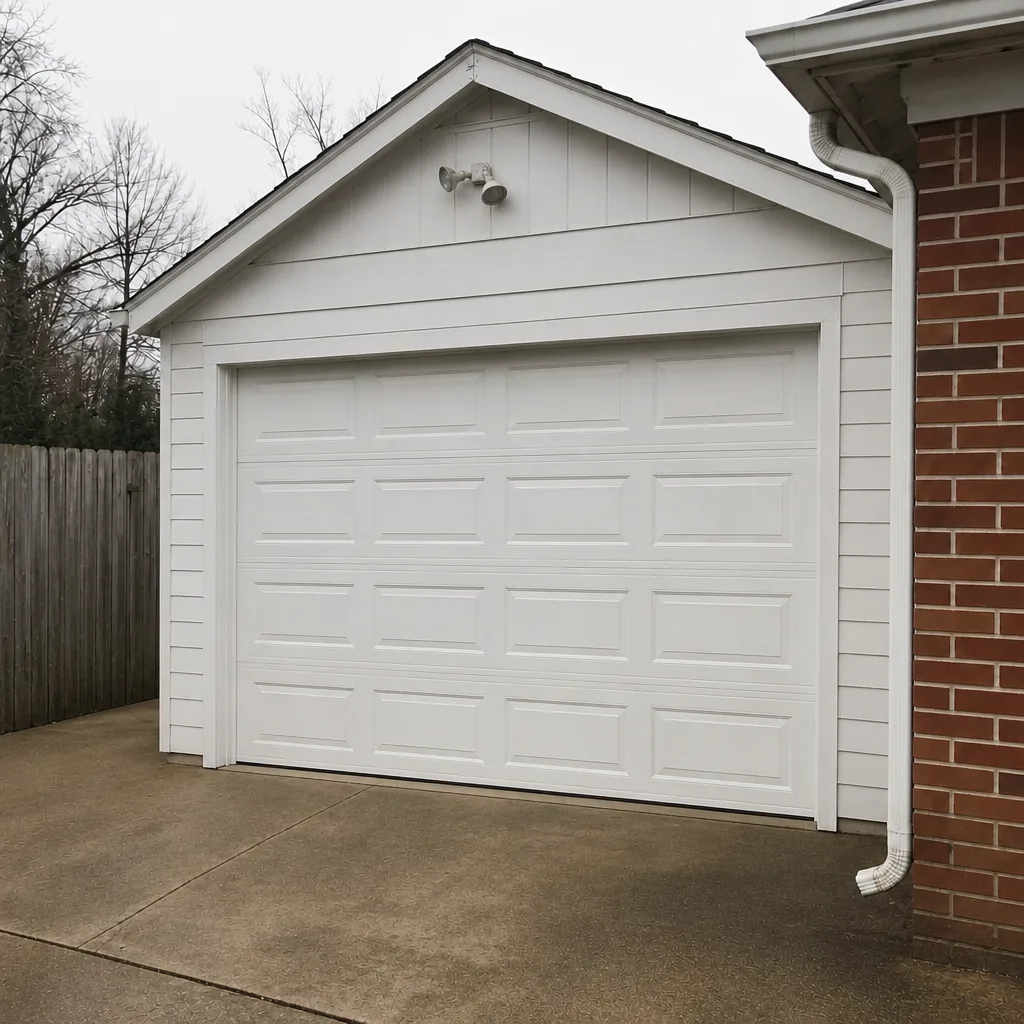
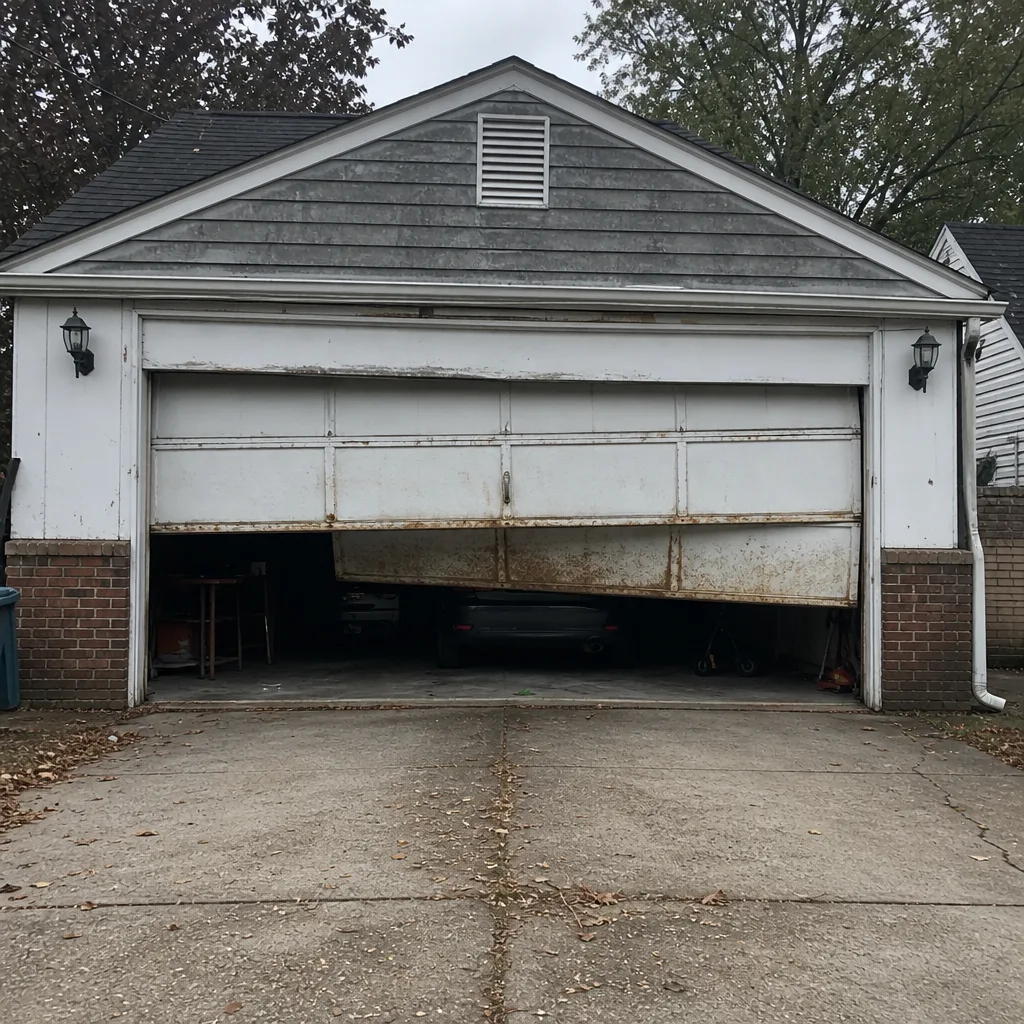
See the difference
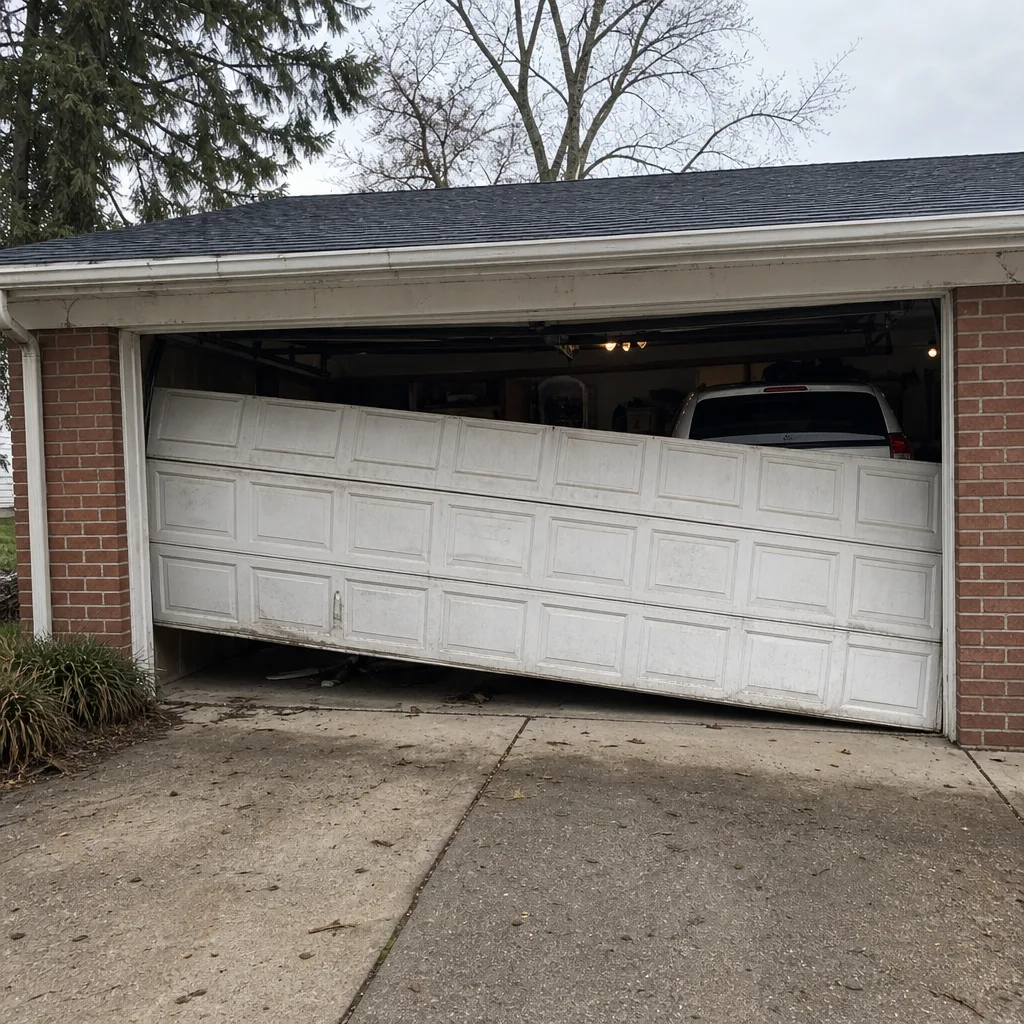 Before
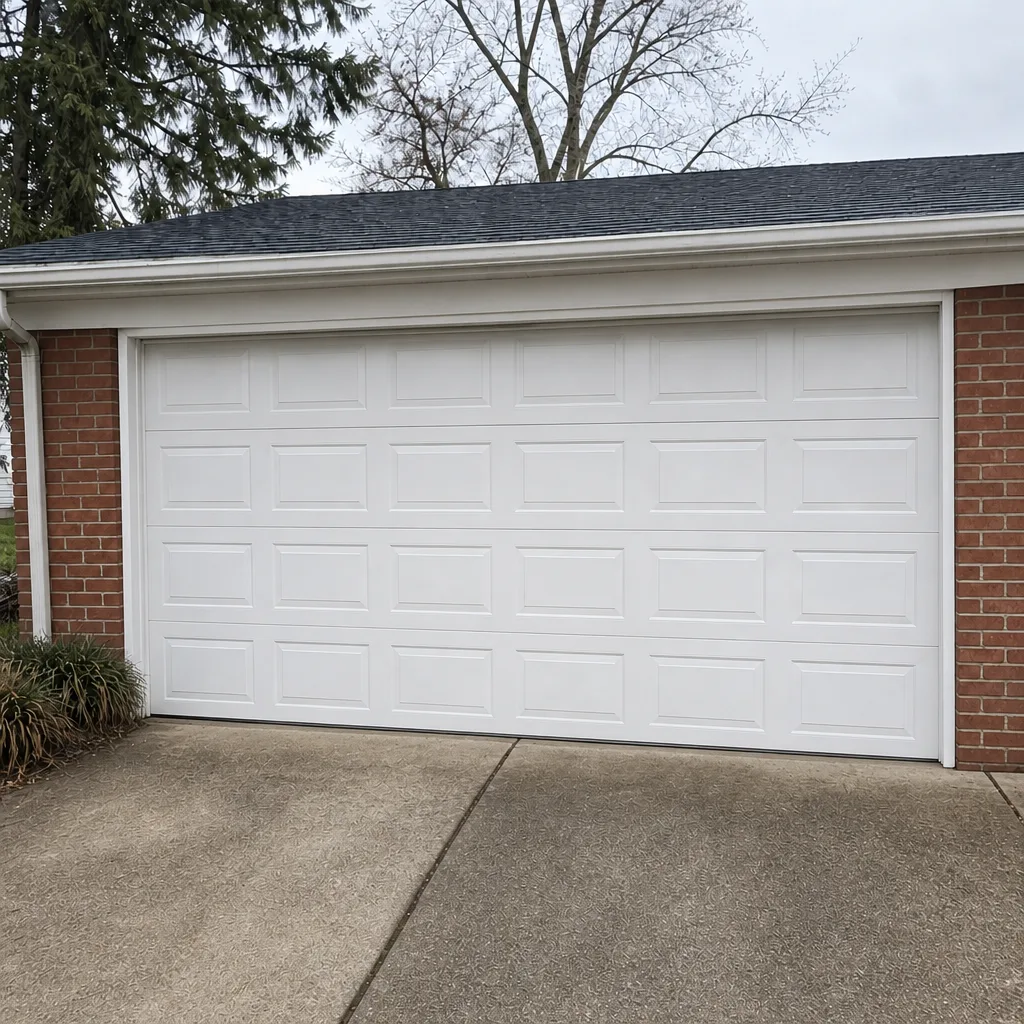 After
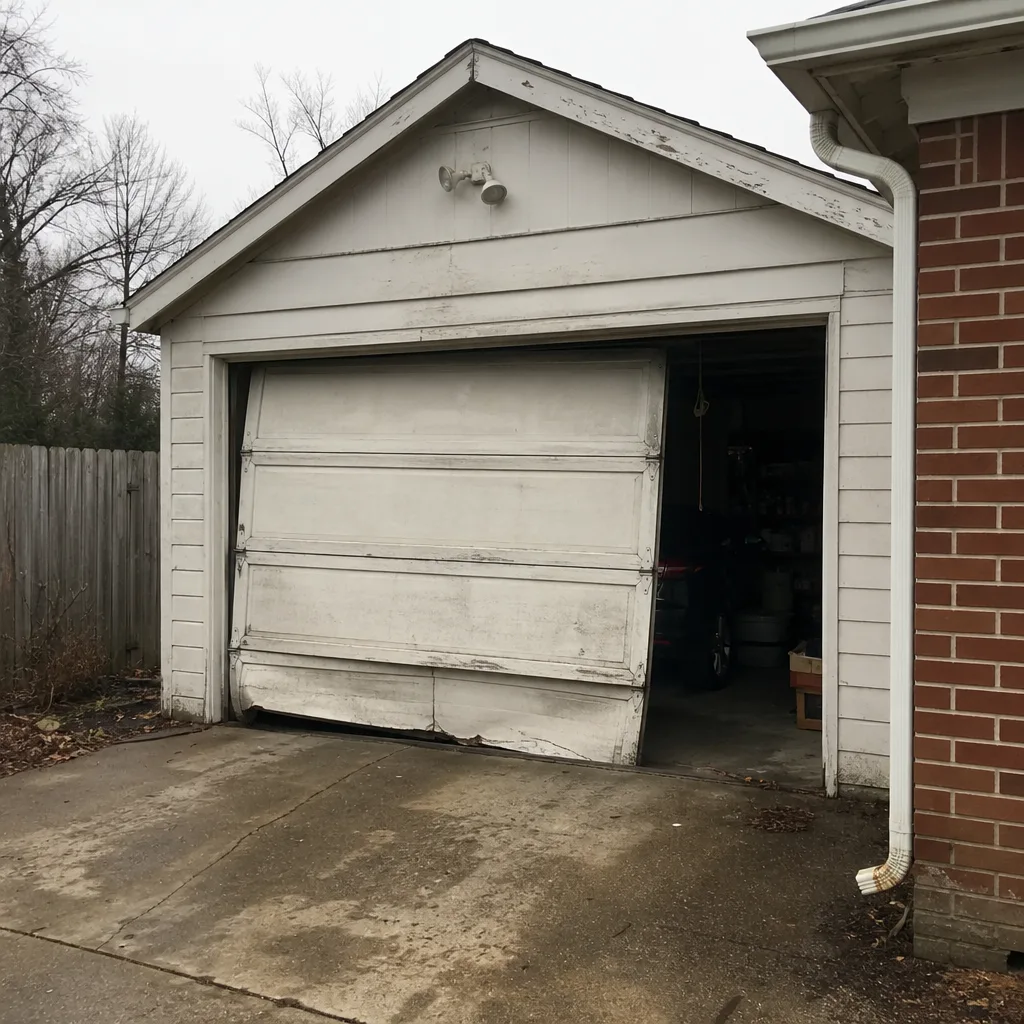 Before
 After
 Before
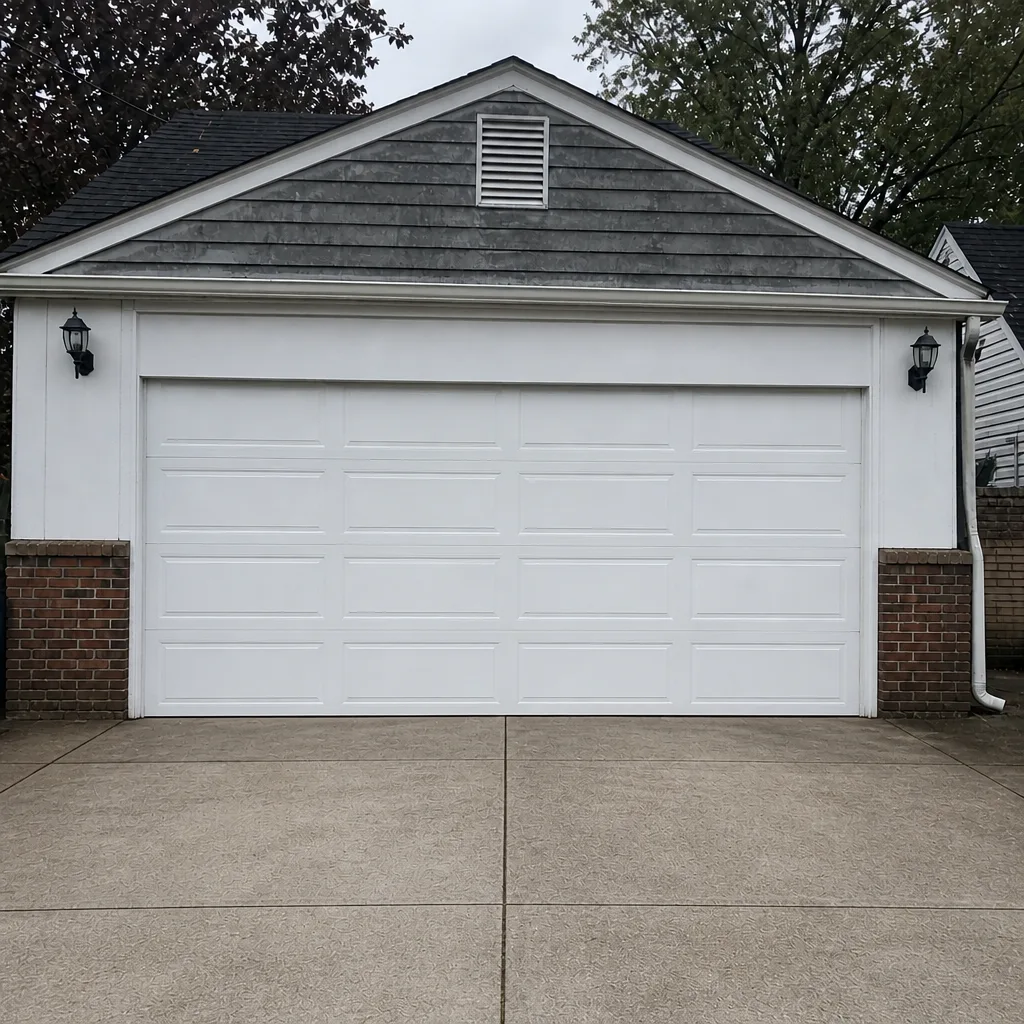 After
When to Call a Professional
Some garage door problems are dangerous enough to require a technician on the first call, not a second opinion. A snapped torsion spring, a door that crashed down or hangs unevenly, a door that won’t open or won’t close, a door that’s come off its track, or an opener that runs without moving the door are all situations where the right move is to call rather than attempt a fix. On spring work especially, the physics are unforgiving and the risk of serious injury is real.
If the door is working but noisy, slow, or drifting, that’s a normal service call, and it’s better to book it before the problem escalates. Portsmouth Garage Door Repair Co offers free estimates in Portsmouth. Call (888) 839-5070. We answer 24/7. Fast dispatch from 7am to 7pm, Sunday through Friday. For a full picture of what we handle, start with Portsmouth Garage Door Repair Co and work from there.
Frequently Asked Questions
No. Virginia does not require a garage-door-specific specialty license, so a general contractor registration can legally cover the work. What you should verify is a current Virginia DPOR contractor license (Class B or C typically for residential work), plus proof of liability and workers’ compensation coverage. Ask for the license number before scheduling and confirm it on the DPOR site.
Spring replacement pricing is per job, quoted in writing after the technician inspects the door. A spring price quoted for one spring covers one spring, and a matched pair is usually replaced together, so a pair costs about twice a single spring. Call (888) 839-5070 for an exact quote. Estimates are free.
No. The written, itemized estimate you approve before work starts is the price. If the technician finds an additional problem during the job, they stop and quote it in writing for your approval before doing the work. You are never billed for work you did not approve in writing.
The local pro we connect you with is licensed and insured as their state requires. Ask any contractor for their DPOR license number and certificates of insurance before work starts, and confirm the coverage extends to spring work and installation, not just general handyman tasks.
Same-day service is available for repair calls, including spring failures and openers that have stopped working. Call (888) 839-5070. We answer 24/7. Fast dispatch from 7am to 7pm, Sunday through Friday. Have the door brand and the opener brand ready when you call.
Brand fluency matters because procedures differ between manufacturers. We service door brands including Clopay, Amarr, Wayne Dalton, and Raynor, and opener brands including LiftMaster, Chamberlain, Genie, and Craftsman. Ask any contractor you interview which brands they service and what changes between them. A specialist will answer with specifics.
The Bottom Line
Hiring a garage door contractor in Portsmouth is a vetting exercise, not a price comparison. The credential that matters most is not the one on the license; it’s the one that shows up in the interview, the wind-load conversation, and the itemized written estimate. Verify the DPOR license, confirm real insurance coverage, ask the five questions, insist on wind-load compliance for any replacement, and reject vague estimates. A contractor who can answer all of that with specifics is one who will do this correctly. If you want to skip the vetting and talk to a specialist, call us. Our technicians have up to 12 years of experience, we service major door and opener brands, and we handle everything from an emergency snapped spring to a full new installation. For a spring-related problem specifically, our guide to garage door spring repair covers the diagnosis and what to expect on the visit.
Call (888) 839-5070 for a free estimate. We answer 24/7. Fast dispatch from 7am to 7pm, Sunday through Friday. The written estimate is the price, and we won’t start work until you’ve approved it.
Written by the team at Portsmouth Garage Door Repair Co.