
Last updated November 22, 2026
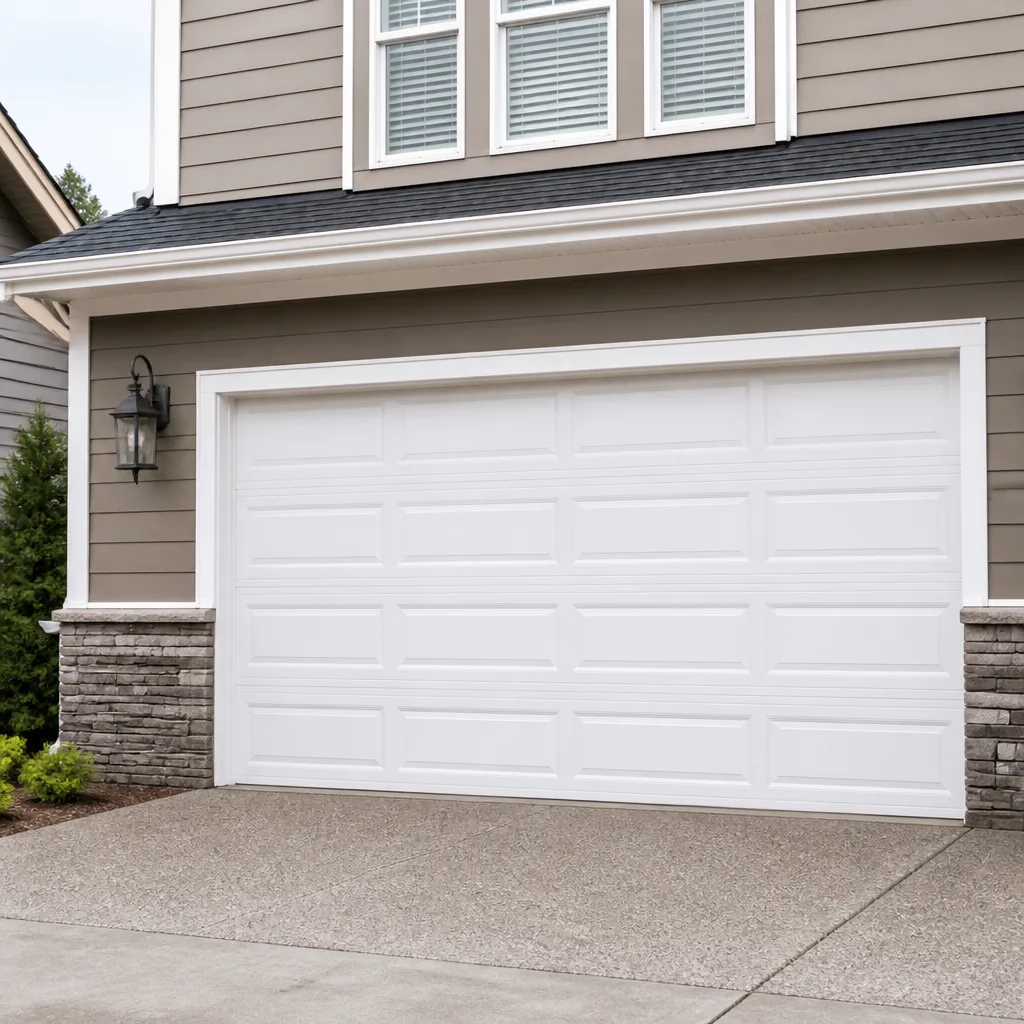 Raised-panel steel
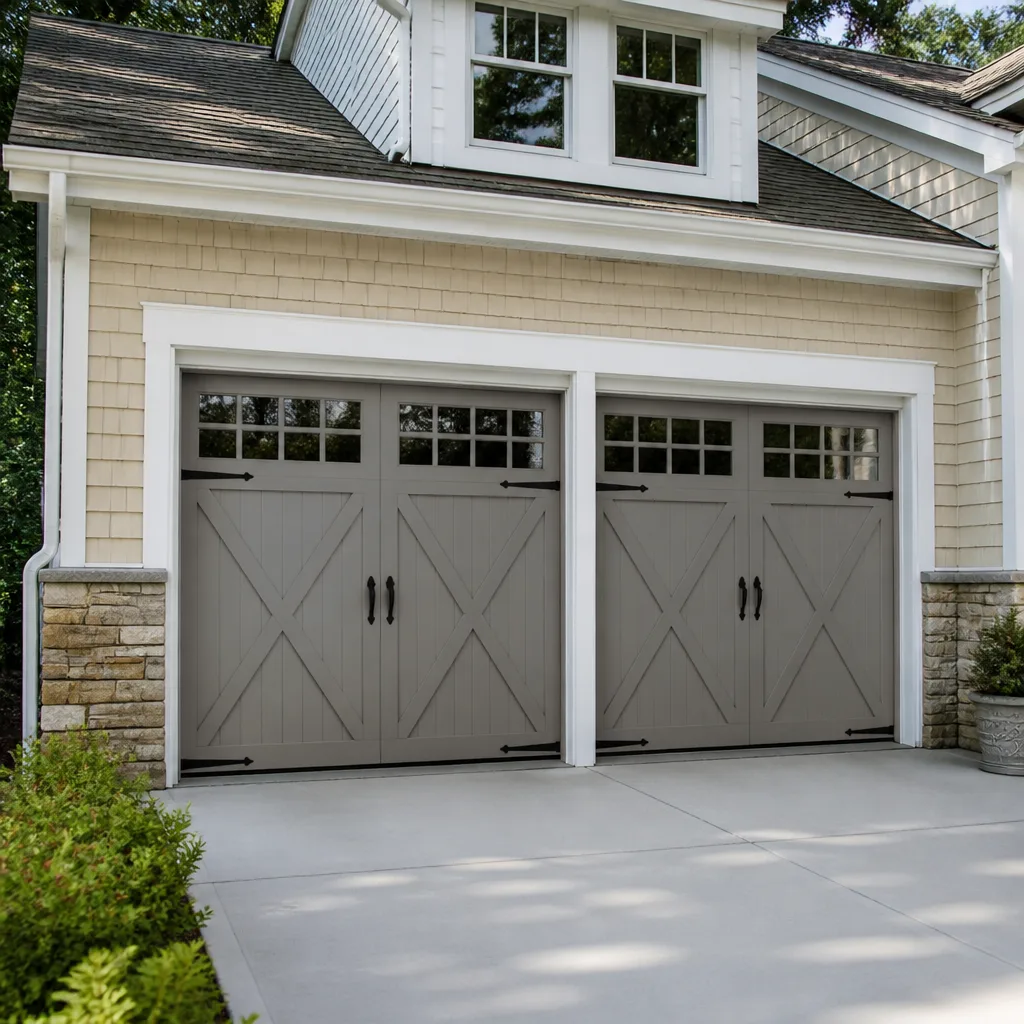 Carriage house
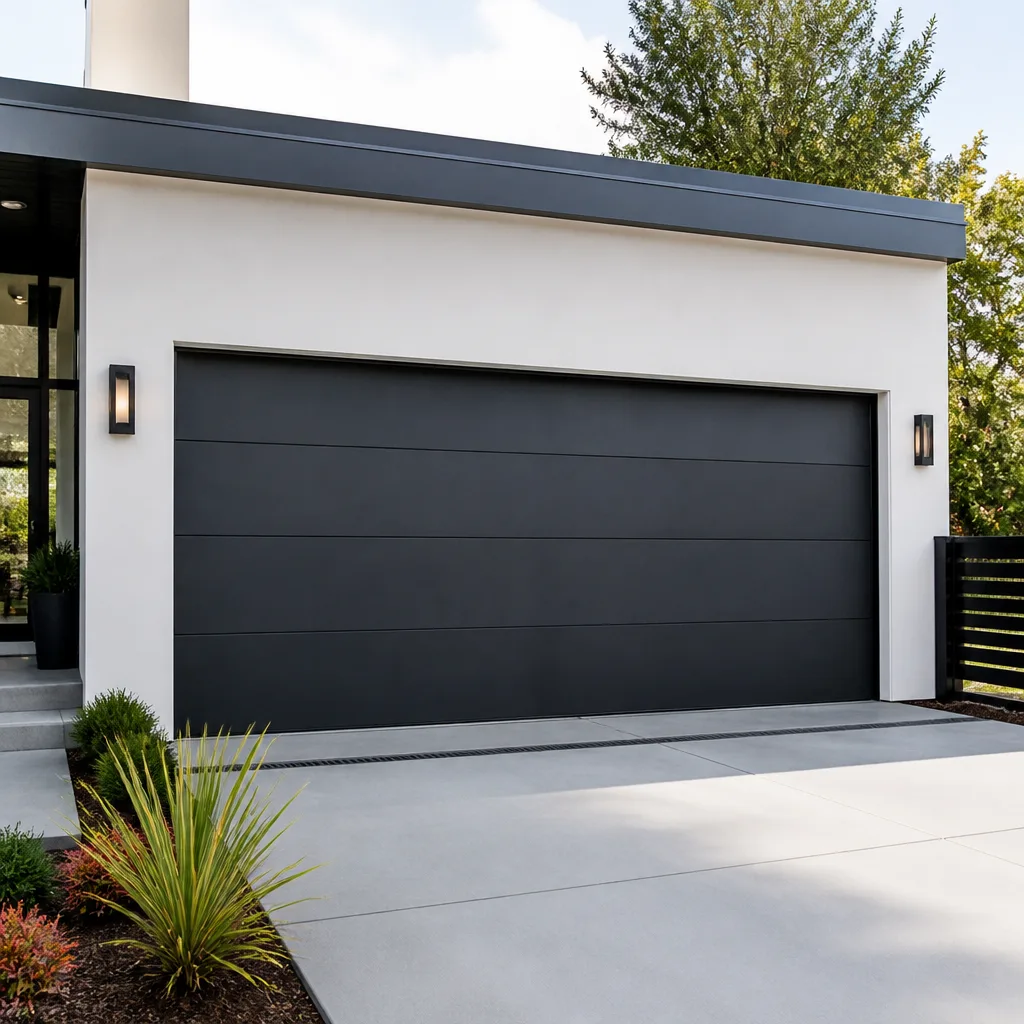 Modern flush
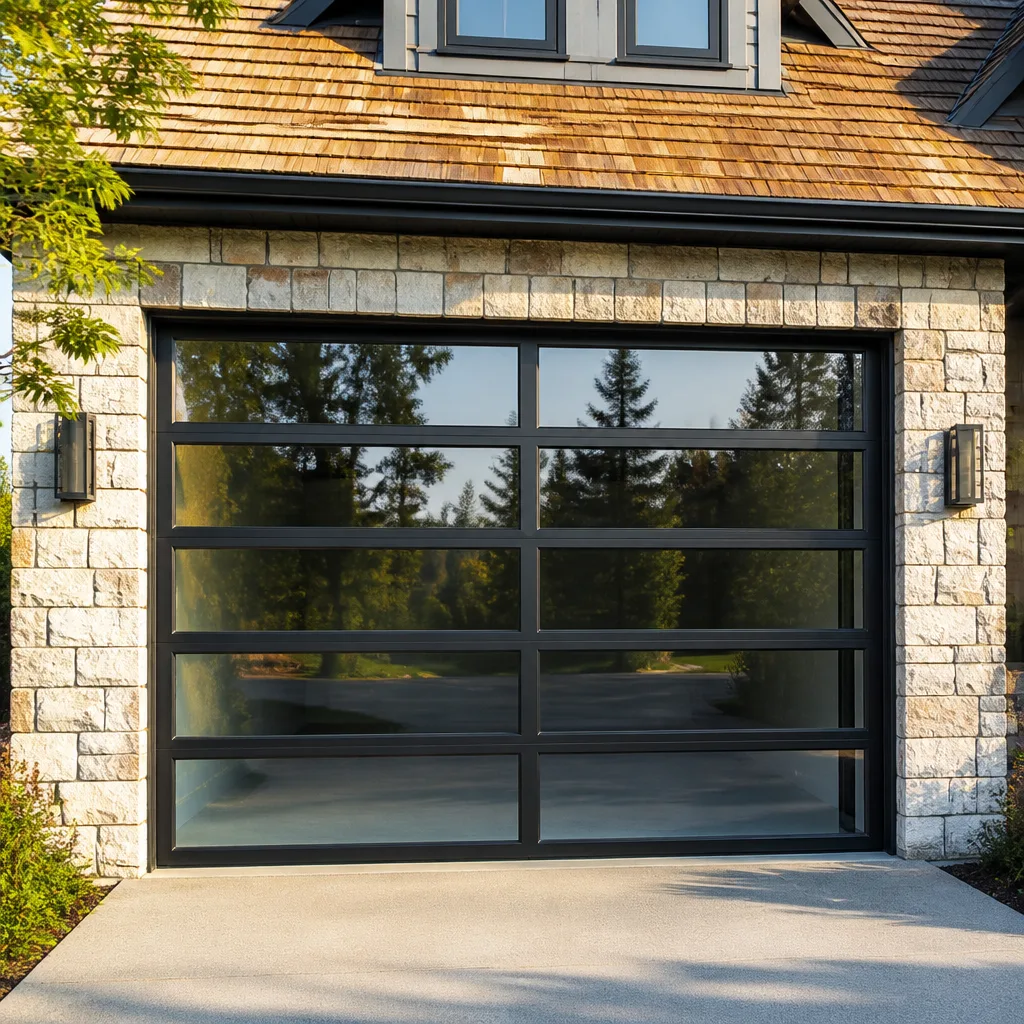 Full-view glass
 LiftMaster openers
 Chamberlain openers
Full 25-point door and opener safety check with every visit - springs, cables, rollers, tracks, and your LiftMaster or Chamberlain opener included
You get a price before we start. It does not change when the pro arrives.
Get your free estimateGarage Door Repair Maintenance Checklist for Portsmouth Homeowners
Lubricating a hinge that’s already started to rust doesn’t protect it; it traps the corrosion under a film of oil and hides the problem until the metal fails. That’s the flaw in most garage door checklists. They tell you to lubricate on a calendar without telling you to look first. Portsmouth homes don’t age on a quarterly schedule. They age on a humidity schedule, a wind-event schedule, and a heat-cycle schedule. This guide gives you a condition-based inspection sequence: what to check, in what order, and the exact point where a homeowner’s checklist has to stop and a technician has to take over.
Quick Answer
A garage door maintenance checklist for Portsmouth should be driven by condition, not dates. Start with a visual pass for rust, seal gaps and track misalignment after wind events, lubricate only clean and sound hardware, and stop any spring inspection the moment you see a gap, a kink or a stretched coil. Springs, cables and bottom brackets are technician territory.
Styles & brands we work with
- Raised-panel steel
- Carriage house
- Modern flush
- Full-view glass
- LiftMaster openers
- Chamberlain openers
Table of Contents
- Start With Symptoms, Not a Calendar
- Which Lubricants Actually Work in Portsmouth Humidity
- The Safe Spring Inspection (and Where It Must Stop)
- Weather Seal Degradation and When Replacement Is Overdue
- Track Alignment Checks After High-Wind Events
- Opener and Safety-Reverse Testing
- Balance, Rollers and Hinge Wear
- The Portsmouth Seasonal Walk-Through
Start With Symptoms, Not a Calendar
Every generic checklist says “lubricate hinges quarterly.” That advice assumes a stable climate and a door that isn’t exposed to much. Portsmouth doors live through humid summers, temperature swings that work metal and wood at different rates, and regular wind events off the surrounding waterways. The result is that one hinge can be fine and the one beside it already pitted.
So before you touch any hardware, do a symptom pass. Walk the full width of the door from the inside and answer these in order:
- Does the door move evenly? Watch both sides as it opens and closes. One side lagging means a balance or spring problem, not a lubrication problem.
- Is there visible rust or white oxidation? Look at hinges, rollers, the bottom bracket area and the track where the rollers ride.
- Are there gaps at the bottom or sides? Run a hand along the bottom seal and check for daylight at the corners.
- Any new noise? A grind, a pop or a scrape is information; a squeak is usually just dry metal.
- Does the door feel heavy when you disengage the opener and lift it by hand? A properly balanced door lifts with modest effort. A door that fights you has a spring issue underneath.
Only after that pass do you decide what to lubricate, what to tighten and what to leave alone for a technician. This is the single biggest reason maintenance gets done wrong in Portsmouth: people lube first and look second.
Which Lubricants Actually Work in Portsmouth Humidity
Not every spray can in the garage belongs on a garage door. In high humidity, the wrong product can make things worse. A penetrating oil that’s sold as a rust buster isn’t the same thing as a lubricant, and using it where a lubricant belongs removes the protective film the part needs.
Here’s the distinction that matters:
- Penetrating oils (like WD-40 in its classic form) are designed to break rust loose and displace water. They evaporate relatively quickly and leave a thin, temporary film. They are not a long-term lubricant for hinges, rollers or springs.
- Purpose-made garage door lubricants are typically silicone-based or a lithium grease. They cling, they don’t attract grit the way heavy grease can, and they stay put through humid cycles.
- White lithium grease works on hinges and the opener rail but can collect dust in a workshop or dusty garage. It’s fine on moving steel; less ideal on exposed rollers.
- Silicone spray is the right choice for tracks, the torsion spring coils on an extension-spring door, and any nylon roller.
Do not use motor oil, cooking spray or general-purpose household grease. Those either run off within weeks or turn into a sticky trap for debris that grinds the rollers down faster. And do not lubricate a track. Tracks should be clean and dry; rollers ride better on bare steel than on a wet channel.
The other humidity issue is rust itself. If a hinge or roller stem has already started to pit, lubing over the top of it doesn’t reverse anything. Clean the part first with a light wire brush or emery cloth, remove the loose oxidation, then lubricate. If pitting is deep enough to thin the metal, replace the hinge rather than lubricate it. The parts are inexpensive; a seized hinge that bends a track is not.
The Safe Spring Inspection (and Where It Must Stop)
Springs are the most dangerous part of a garage door. A torsion spring carries enough stored energy to cause serious injury, and a spring under tension can fail without warning. That’s why this section is a visual inspection only. We’re not going to walk you through turning a winding bar or adjusting tension, because that’s the exact moment a trained technician needs to be the one holding the tools.
Here’s what a homeowner can safely look at from the floor with the door closed:
- Locate the springs. Torsion springs are the horizontal coils above the door on a center shaft. Extension springs run along the horizontal tracks on either side.
- Check for a visible gap. On a torsion spring, look at the coil for an obvious gap in the windings. That means the spring has stretched or begun to fail. Stop here.
- Look for a kink or a bright wear line. A shiny spot where the coil has been rubbing is an early failure sign. Stop here.
- On extension springs, check the safety cable. A safety cable should run through the center of each spring. If it’s missing or detached, that’s a call, not a fix.
- Never reach up to touch, test or “help” a spring. No lifting, prying, pushing or trying to see if it still has tension.
Here’s the precise line: at the first visible gap, kink, or wear line, the inspection ends and a technician takes over. That’s true even if the door still opens. A weakened spring isn’t a gradual thing; it works right up until it doesn’t, and a snapped spring can drop the door or whip a cable. Our garage door spring repair covers this exact job because it’s the most commonly failed component on a Portsmouth door and the one most worth handling correctly.
If the door won’t open at all, or opens crooked, don’t force it with the opener. Disengage it (pull the red release cord with the door down) and call. Our technicians have up to 12 years of experience with springs, cables and the door systems they sit inside, and this is one repair where experience matters more than speed.
Weather Seal Degradation and When Replacement Is Overdue
The bottom weather seal on a garage door is the first thing to fail and the easiest to ignore. In Portsmouth, it fails on a timeline tied to heat and humidity cycles: the rubber or vinyl softens, hardens, cracks and eventually stops sealing. When it stops sealing, you get water in, insects in, and a gap the door won’t close tight against.
Here’s how to measure whether yours is overdue:
- The daylight test. Close the door and look from inside. Any visible light along the bottom edge means the seal has failed at that point.
- The paper test. Close the door on a sheet of paper at several points along the width. If it pulls out easily at any spot, the seal is compressed or missing there.
- The visual test. Look for cracking, flattening, or the seal pulling away from the aluminum retainer. A seal that has flattened to a fraction of its original thickness has lost its spring.
- The corner test. Seals fail at the corners first. Check the bottom corners specifically; if they’ve separated, replacement is due.
Side seals and the top seal matter too. On a door that faces regular sun, the side jambs can dry out and pull away. If you can slide a finger behind a side seal, water is finding that gap too. A worn bottom seal is also what makes a garage feel damp after a summer storm, and that damp doesn’t stay in the garage.
Replacement is a straightforward job and usually worth doing before a seal fails completely rather than after you’ve noticed water pooling inside. If the seal has been worn for a while and the door has been closing against a gap, the bottom section of the door itself may have begun to take on moisture, which matters most on wood or steel sections. That’s worth having inspected when a technician is out for any other reason.
Track Alignment Checks After High-Wind Events
Portsmouth sees more high-wind events than inland Virginia cities, and tracks take the brunt of it. A door that hums along fine can develop a rattle or a scrape after a windy stretch because the vertical tracks have shifted out of parallel or the horizontal tracks have dropped at a bracket.
Do a track check after any notable wind event:
- Look at the vertical tracks from floor to header. They should be vertical and parallel to each other.
- Check the gap on each side between the roller and the inside of the track. It should be roughly even side to side. A wider gap on one side means the track has moved.
- Look at the horizontal track brackets where they attach to the ceiling. Loose or bent brackets are a common post-wind finding.
- Watch the door move. A door that scrapes or pops at the same spot on every cycle is telling you a track has shifted.
- Do not bend the track back by hand. Tracks are thinner than they look and easy to kink. A bent track that keeps the door off-plumb is a technician job; you can’t restore alignment by eye.
What you can do safely is tighten a loose bracket bolt if the track itself is still true. Anything more than a snug-up on a bolt that hasn’t moved the track gets left for the technician. If the door has come off the track entirely, stop using the opener and call for help rather than forcing it.
Opener and Safety-Reverse Testing
The opener does the lifting, but the safety reverse is the part that actually protects people. Test it every time you do a maintenance pass, because a safety reverse that fails silently is worse than a door that won’t open.
Two checks, both safe and both quick:
- The photo-eye test. With the door open, wave an object through the beam path (the two sensors near the floor). The door should reverse. If nothing happens, the opener has a safety problem.
- The contact-reverse test. Place a flat object under the closing door; when the door meets it, it should reverse. If it presses down first, the force setting is too high or the reverse mechanism needs attention.
Also listen to the opener. A chain or belt that’s too loose makes a clunk at the start and end of travel. A screw-drive opener that’s binding will strain and slow down. If the opener runs but the door doesn’t move, the problem is usually a stripped gear or a broken drive, both of which are repair jobs rather than replacements. We handle opener repair across the brands most Portsmouth homes have installed, including LiftMaster, Chamberlain, Genie and Craftsman, and the door hardware brands that come with them like Clopay, Amarr and Wayne Dalton. Our garage door opener repair covers both older operators and the newer smart-home connected units.
If the opener is old and the repair is getting more involved than the unit is worth, we walk through the tradeoff honestly. We don’t push replacement when a component fix will do.
Balance, Rollers and Hinge Wear
Balance is the test most homeowners skip, and it’s the one that tells you whether a door is being overworked. Disengage the opener, lift the door to about halfway, and let go. A balanced door should stay roughly where you leave it. A door that drops on its own has a tension problem; a door that wants to rise has too much. Either way, the opener is compensating for it every cycle, and that shortens its life.
Rollers and hinges are the smaller, more frequent wear items:
- Rollers should spin freely and show no flat spots. Steel rollers fatigue over time; nylon rollers wear more evenly but can crack. A wobbling roller is a failing roller.
- Hinges wear at the pivots. A hinge that’s loose or has elongated the screw holes should be replaced before it distorts the panel it’s mounted to.
- Bolts and fasteners should be snug, not over-tightened. Over-tightening a hinge on a steel door deforms the panel. Over-tightening on a wood door crushes the wood under the head.
This is also the stage where a garage door repair is cheaper than a replacement. Replacing rollers and hinges on a door that’s otherwise sound costs far less than a new door, and it solves the same squeak, rattle and wobble the new door would have solved.
The Portsmouth Seasonal Walk-Through
Portsmouth’s cycle is straightforward: a humid summer that softens and stresses seals, a fall and winter with wind events that shift tracks, and a spring that shows you everything that started failing over the winter. A seasonal walk-through built around conditions rather than a date gives you a single routine to repeat through the year.
Run this walk-through whenever the weather has turned or the door’s behavior changes:
- Do the symptom pass first (movement, rust, gaps, noise, hand-lift).
- Check the seals with the daylight and paper tests.
- Inspect the springs visually and stop at the first gap, kink or wear line.
- Check the tracks for parallel alignment and roller gaps, especially after wind.
- Test the opener’s safety reverse both ways.
- Clean and lubricate only what’s clean and sound, with the right product.
- Note anything you skipped and schedule a professional inspection for the rest.
That’s the whole routine. It’s short on purpose, because most maintenance failures come from doing the wrong thing in the wrong order, not from skipping steps. If the door is running right, this takes minutes. If something’s off, the walk-through tells you quickly enough to fix it before it becomes an emergency.
If a door ever does fail in a way that leaves the house open, blocks the car, or won’t stay safe inside its tracks, don’t wait for the next scheduled pass. Portsmouth Garage Door Repair Co runs emergency garage door response for exactly that situation, because a door that won’t close is a real problem today, not next week.
Common Mistakes to Avoid
- Lubricating before inspecting. Oil over rust locks in the corrosion and hides it from a technician. Look first, clean second, lubricate only sound parts.
- Spraying tracks and rollers with the wrong product. Tracks should be dry. Penetrating oil is not a long-term lubricant. Both mistakes accelerate wear instead of slowing it.
- Fixing a spring or adjusting tension yourself. Springs are the most dangerous part of the door. Every minute of the visual inspection is safe; every minute past the “stop here” point is not.
- Force-closing a door over a worn bottom seal. A flattened seal with a gap lets water in, and a door fighting its own seal strains the opener every cycle.
- Ignoring post-wind track shifts. A track that moved a fraction of an inch is easy to adjust correctly and hard to correct once the door has worn into the misalignment. If it’s bent, don’t bend it back by hand.
- Testing the safety reverse once and assuming it holds. A reverse that fails quietly is the one failure that puts people at risk. Test it on every pass.
- Replacing a door when the hardware is the problem. Rollers, hinges and opener components wear out. When the sections are sound, hardware repair costs far less than a new door and solves the same symptom.
See the difference
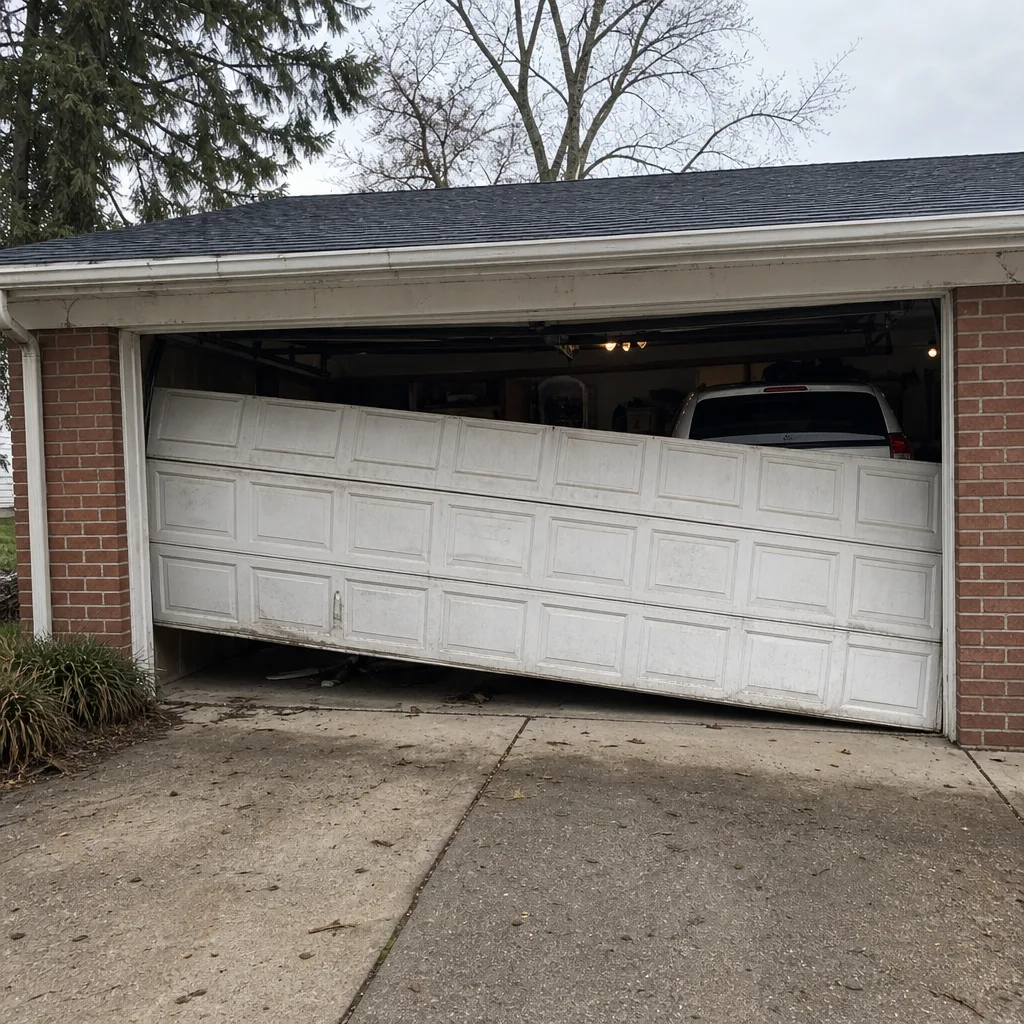 Before
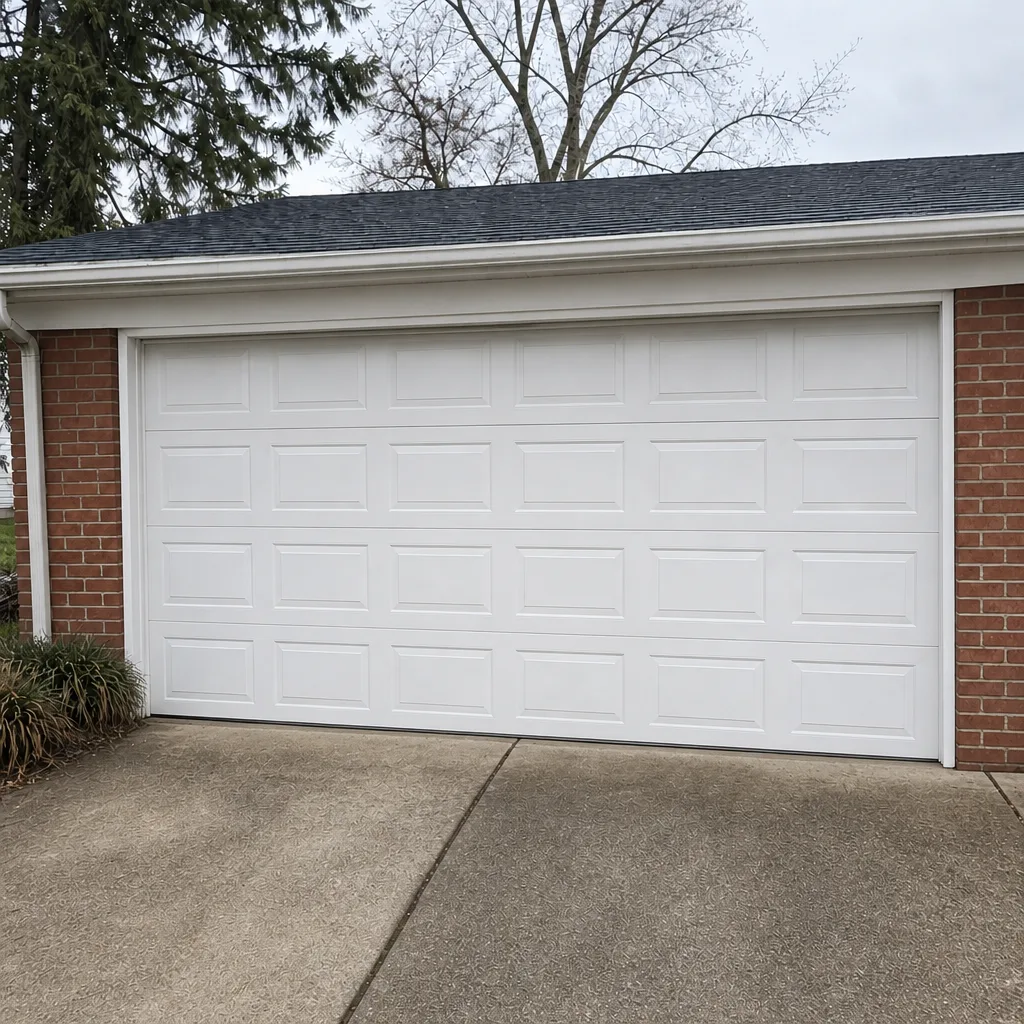 After
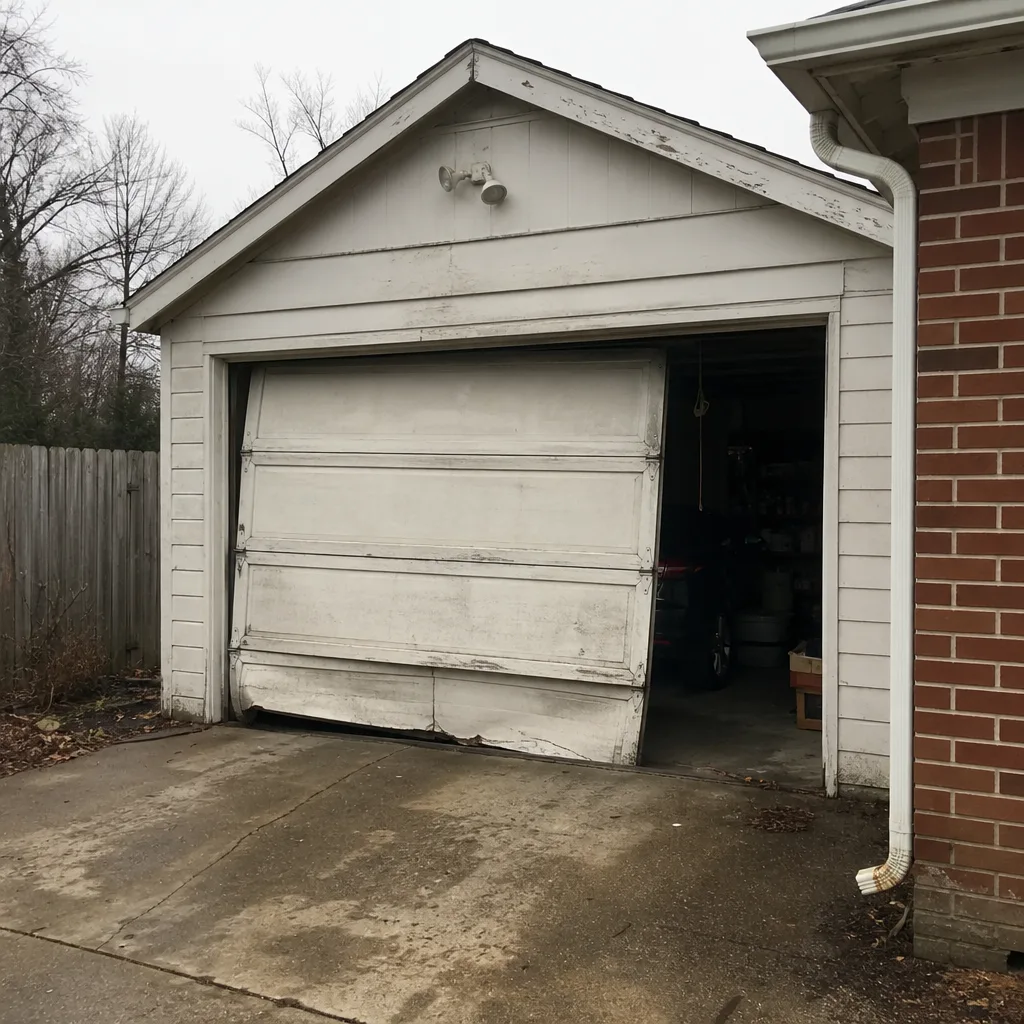 Before
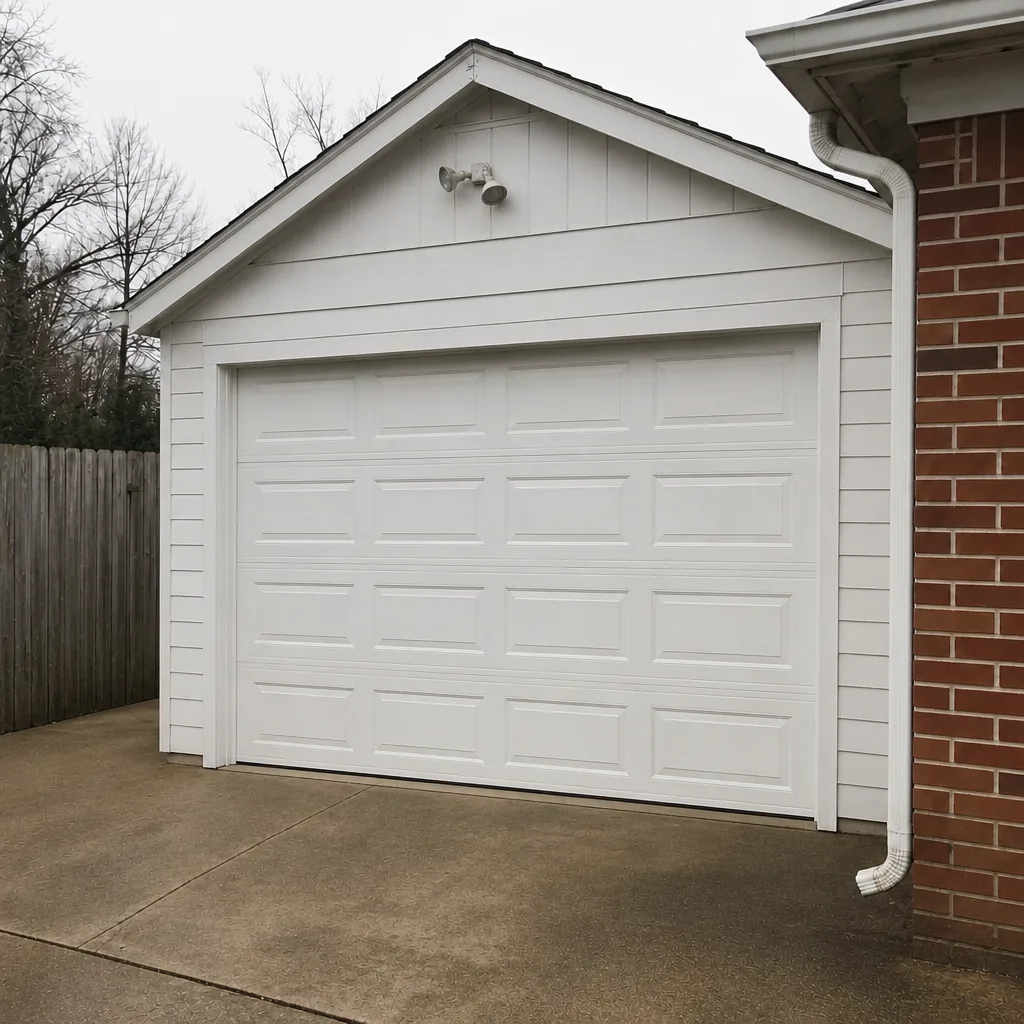 After
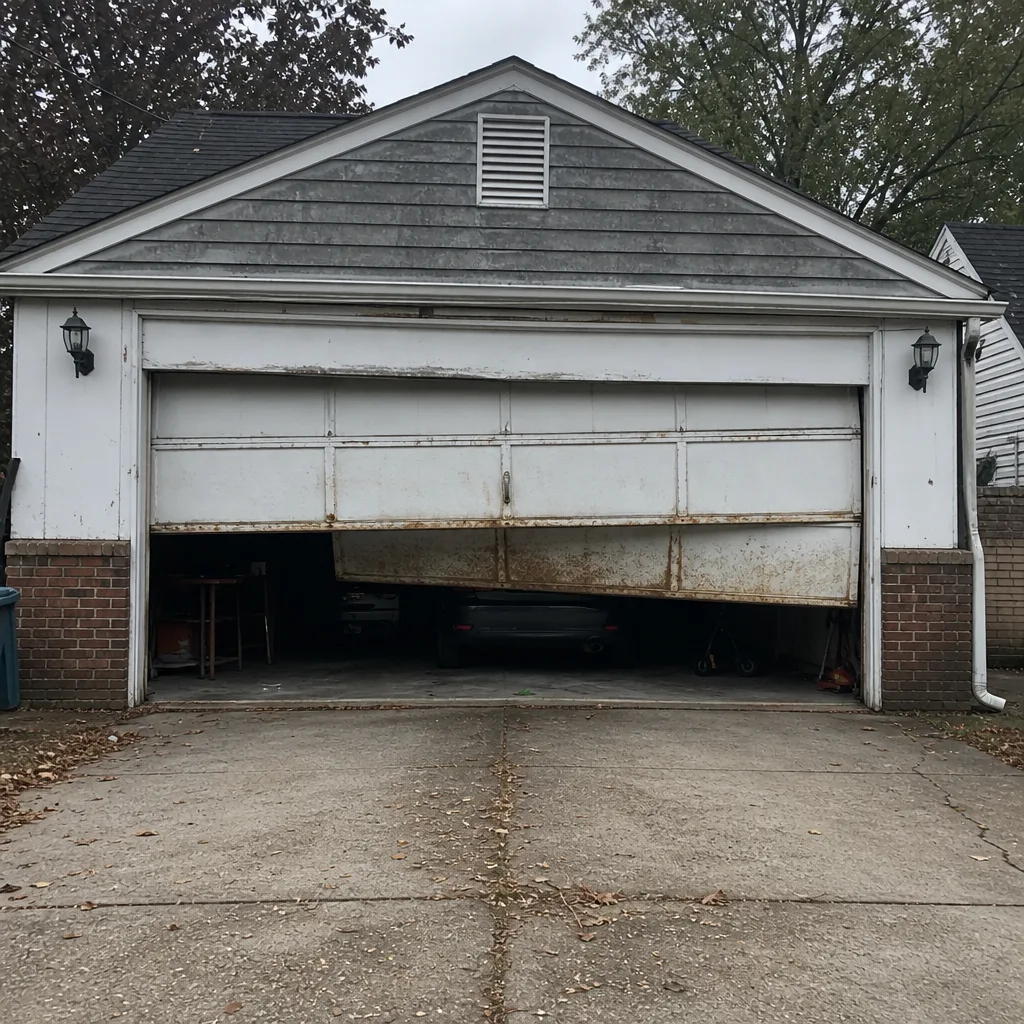 Before
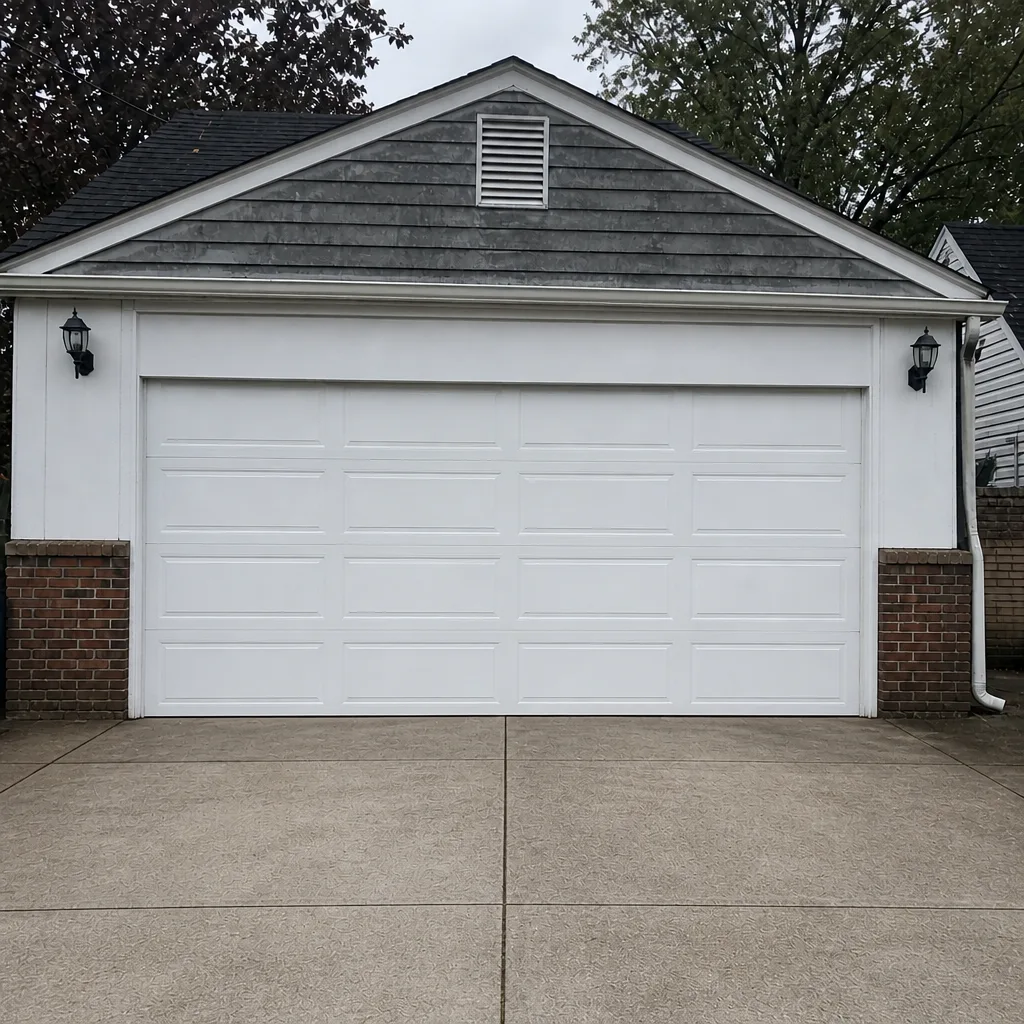 After
When to Call a Professional
Call a technician for anything involving springs, cables, torsion hardware or bottom brackets. Those parts hold stored energy and are not homeowner work. Also call if the door won’t open, closes crooked, has come off its track, won’t reverse on the safety test, or has a visible gap in a spring. If the door is more than cosmetic maintenance away from running right, an inspection tells you what it actually needs. Portsmouth Garage Door Repair Co offers free estimates in Portsmouth and statewide, and we work on the door and opener brands most homes here have installed. Call (888) 839-5070. We answer 24/7. Fast dispatch from 7am to 7pm, Sunday through Friday.
Frequently Asked Questions
Lubricate based on condition, not a fixed calendar. In Portsmouth’s humidity, inspect the hinges, rollers and door hardware first, then lubricate only clean, sound metal with a silicone-based or lithium grease product. If a hinge is already rusting, clean it before lubricating, or replace it. If you’re unsure, a seasonal walk-through tied to weather changes does more good than a quarterly date.
You can safely do a visual inspection from the floor with the door closed. Look for a visible gap in the torsion spring’s coil, a kink, or a bright wear line, and check that extension springs have a safety cable running through them. Stop at the first sign of any of those and call a technician. Never touch, test or adjust a spring under tension. Call (888) 839-5070 for a free estimate on spring repair.
If you can see daylight under the closed door from inside, can pull a sheet of paper out from the bottom edge easily, or see a seal that has flattened, cracked, or pulled away at the corners, it’s due for replacement. In Portsmouth’s heat and humidity cycle, seals typically degrade at the corners first. Replacement is a straightforward job and cheaper than dealing with the water damage a failed seal lets in.
Portsmouth sees more high-wind events than inland Virginia cities, and wind can shift vertical tracks out of parallel or drop horizontal track brackets. Check for even roller gaps side to side, look for bent brackets, and listen for a scrape or pop at the same spot each cycle. Tighten a loose bracket only if the track hasn’t moved. If it has, have a technician realign it, because bending a track by hand kinks it.
Don’t force it with the opener. Disengage the door with the red release cord with the door in the down position, then check whether it will lift by hand. If it’s heavy or won’t move smoothly, the problem is likely a spring or a track issue. Call for service rather than running the opener on a door it can’t lift. Call (888) 839-5070. We answer 24/7. Fast dispatch from 7am to 7pm, Sunday through Friday.
A checklist is enough for a door that’s running smoothly. It is not enough once you’ve found rust that won’t clean up, a spring gap or kink, a track that’s bent, or an opener that fails the safety reverse test. At that point a professional inspection tells you exactly what needs fixing and what can wait. A written estimate before any work starts is the point. Call (888) 839-5070 for a free estimate.
The Bottom Line
Garage door maintenance in Portsmouth works best when it’s condition-based. Do the symptom pass before touching any hardware. Lubricate clean, sound parts with the right product and never over rust. Inspect springs visually and stop at the first gap or kink. Measure your weather seals and replace them before the corners fail. Check track alignment after wind events and don’t bend tracks by hand. Test the safety reverse on every pass. Anything involving springs, cables or a door that won’t move belongs with a technician. That’s the entire checklist, and it’s the one that actually protects a Portsmouth door through the year.
Portsmouth Garage Door Repair Co services the door and opener brands most homes and small businesses rely on, from LiftMaster and Genie operators to Clopay, Amarr and Wayne Dalton doors. We handle the full range of work: emergency response, component-level repair, opener repair and complete installation when repair no longer makes sense. Our technicians have up to 12 years of experience, and every job starts with a free estimate and a written price agreed before work begins. Call (888) 839-5070. We answer 24/7. Fast dispatch from 7am to 7pm, Sunday through Friday. Visit Portsmouth Garage Door Repair Co to get started.
Written by the team at Portsmouth Garage Door Repair Co.