
Last updated November 22, 2026
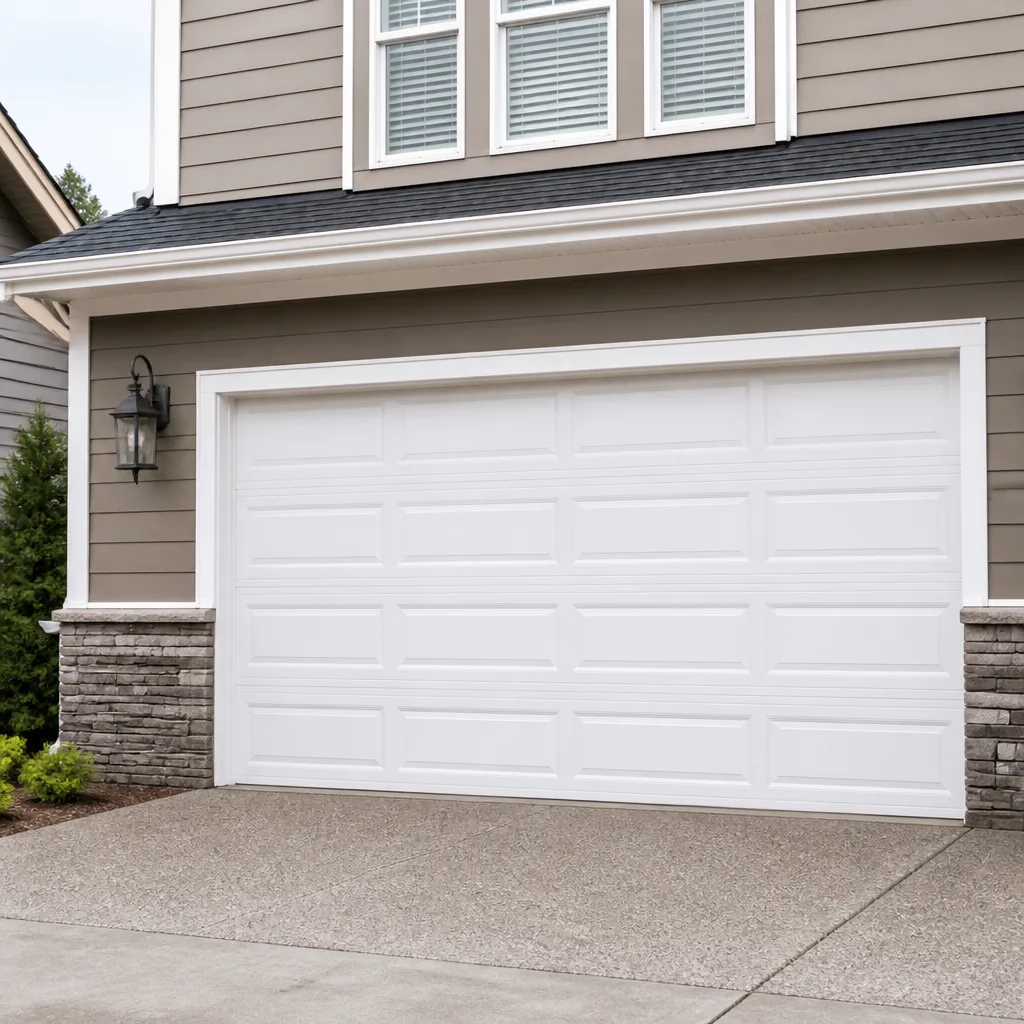 Raised-panel steel
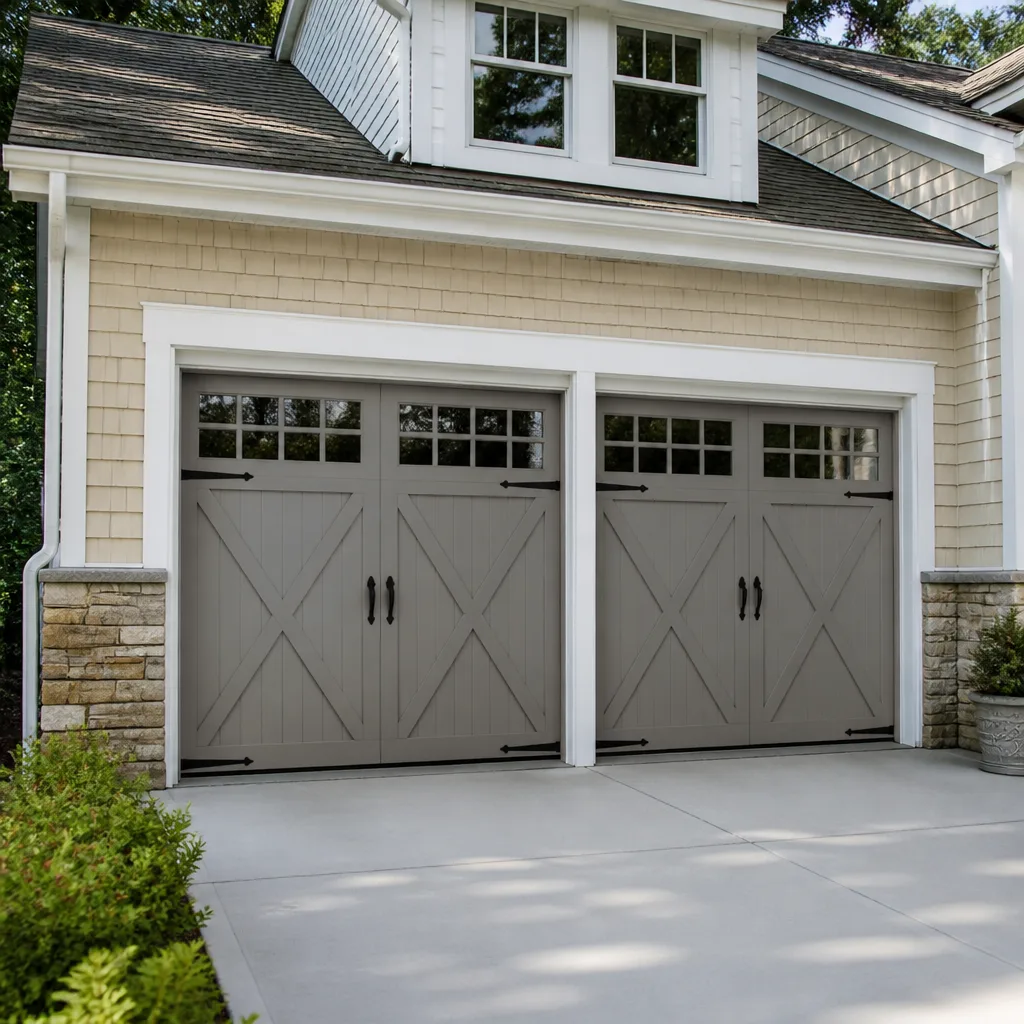 Carriage house
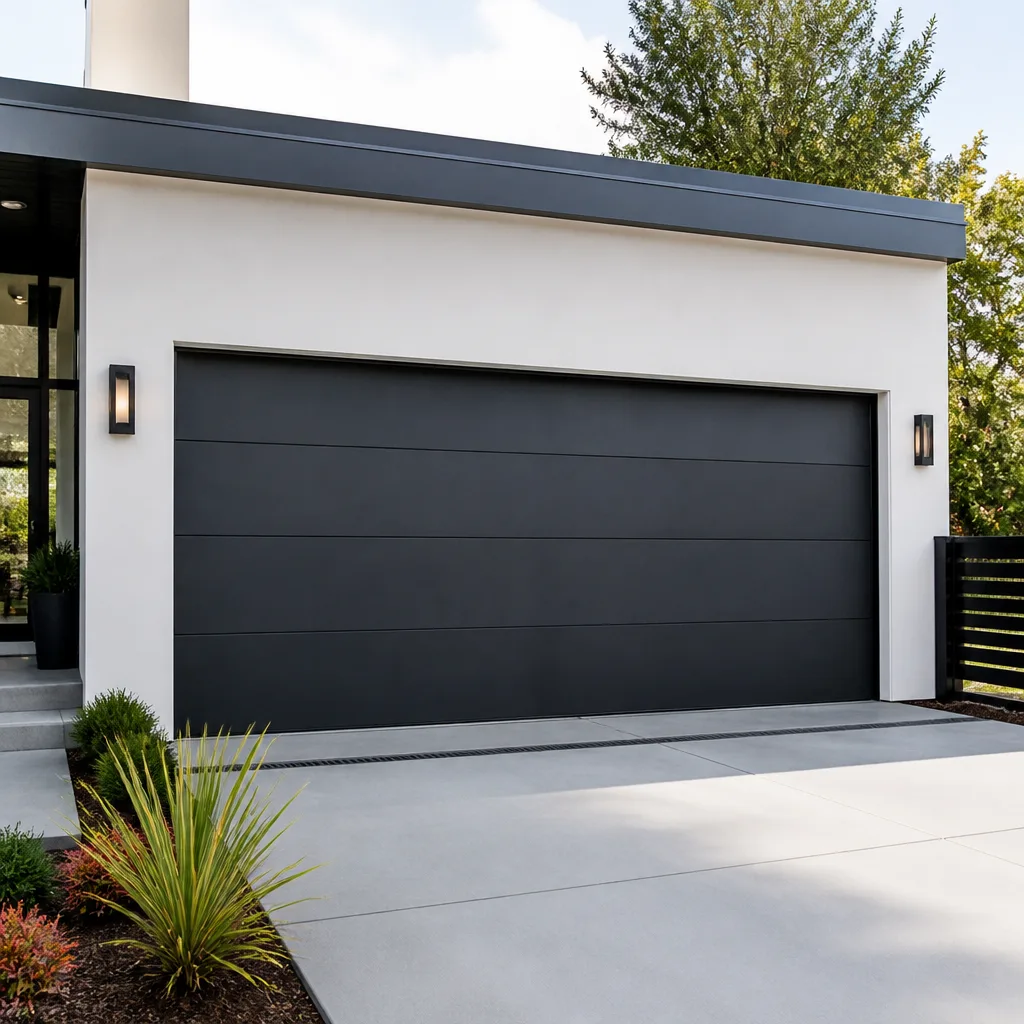 Modern flush
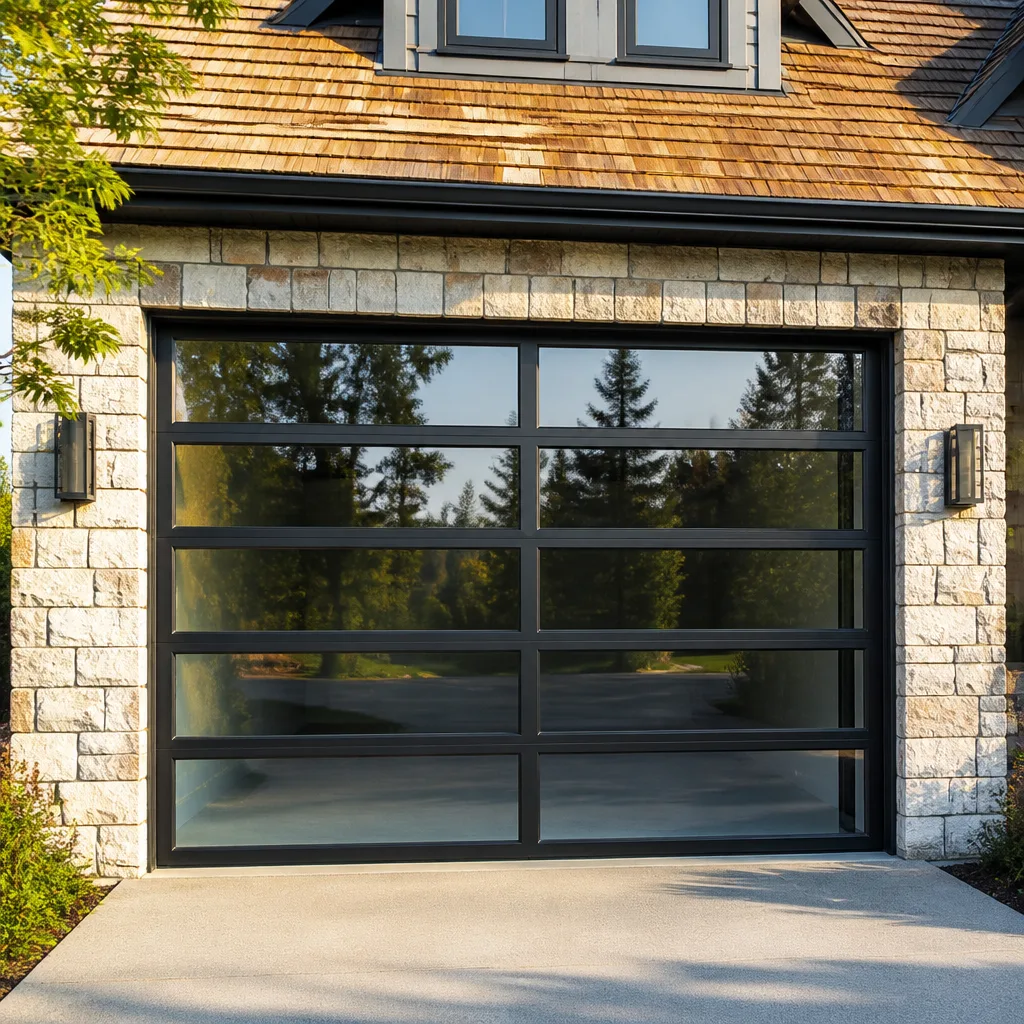 Full-view glass
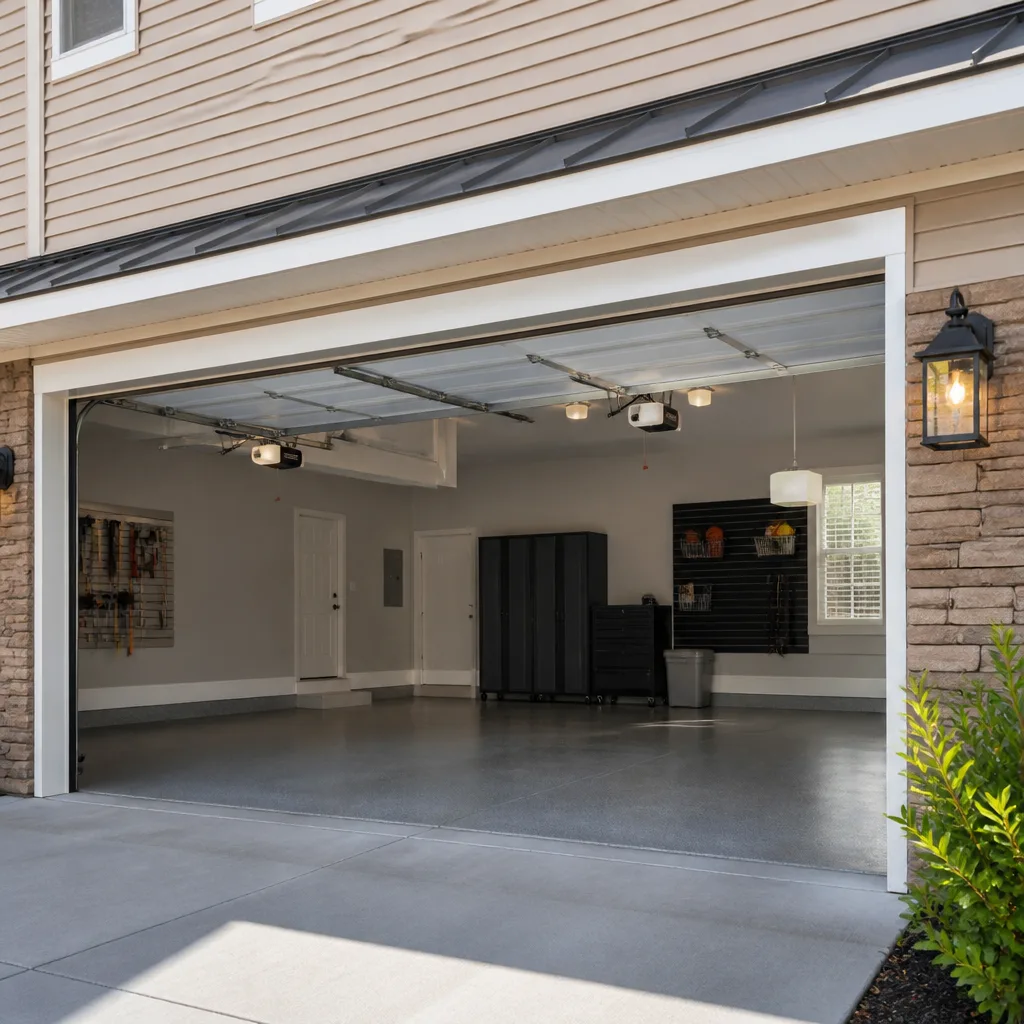 LiftMaster openers
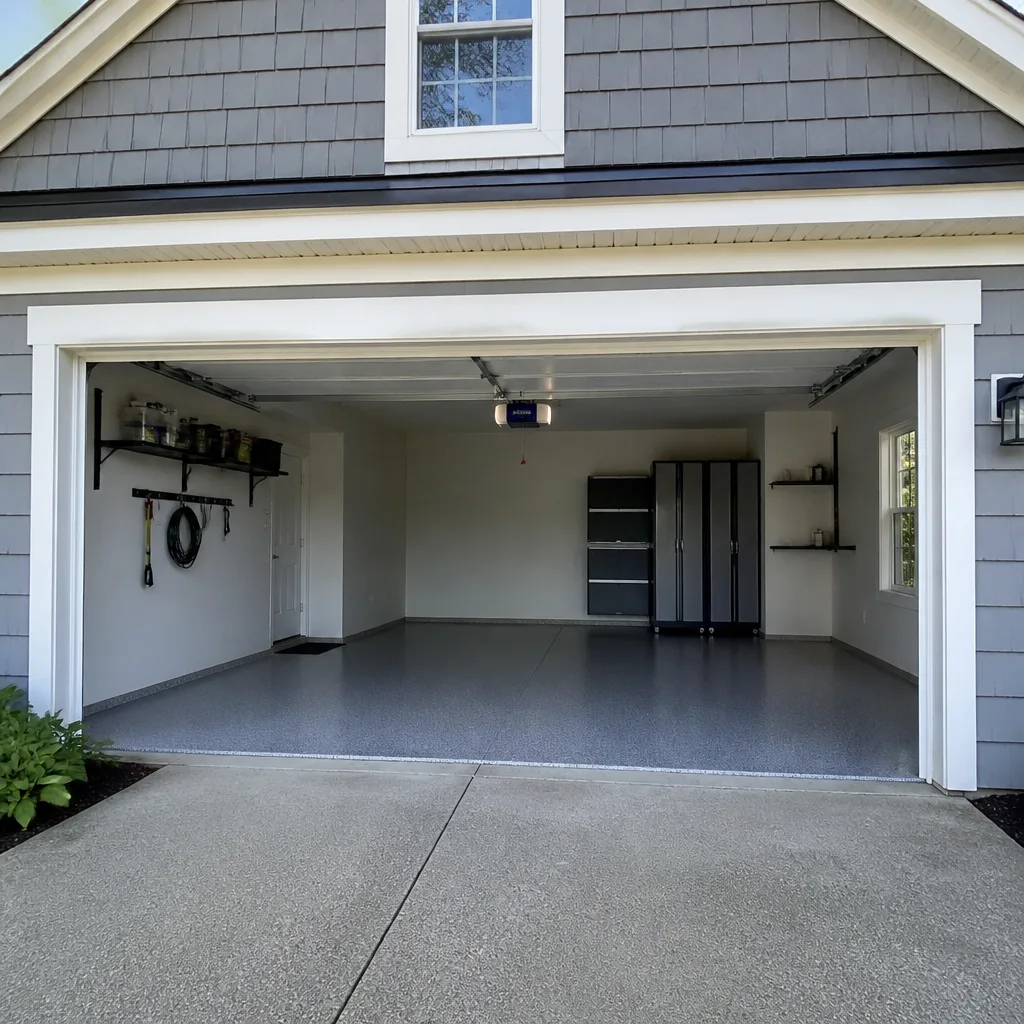 Chamberlain openers
Full 25-point door and opener safety check with every visit - springs, cables, rollers, tracks, and your LiftMaster or Chamberlain opener included
You get a price before we start. It does not change when the pro arrives.
Get your free estimateGarage Door Emergency Preparedness Guide for Portsmouth Homes
Most garage door advice assumes you have time. You don’t. The dangerous window in Portsmouth isn’t the repair itself, it’s the hours before a storm when you suddenly need the car out and the door won’t budge. Here’s the counterintuitive part: the door that fails during a hurricane watch usually didn’t break that day. It had a frayed cable, a tired spring, or an opener that was already straining, and the storm just finished the job. This guide walks you through the manual release on the openers common in Portsmouth homes, the five hardware checks to run before June 1, how to secure a door you’ve opened by hand, and exactly when to stop and call.
Quick Answer
To get a garage door open during a power outage, pull the red manual release cord hanging from the opener carriage, then lift the door by hand. If the cord won’t pull or the carriage is jammed, don’t force it – that’s a call for emergency service. The real work is prevention: a pre-season hardware inspection each spring is what determines whether your door survives storm wind loads and opens when you need it to.
Styles & brands we work with
- Raised-panel steel
- Carriage house
- Modern flush
- Full-view glass
- LiftMaster openers
- Chamberlain openers
Table of Contents
- How do you open a garage door manually during a power outage?
- The pre-storm inspection checklist for Portsmouth homes
- How to secure a manually-opened door during an extended outage
- What to do when the door is off-track after a storm
- Emergency response reality during a regional storm event
- Which opener brands Portsmouth homes have, and what that means for release
- Common mistakes to avoid
- When to call a professional
How do you open a garage door manually during a power outage?
Pull the red release cord that hangs from the opener’s carriage, then lift the door by hand from the bottom. That’s the whole procedure on most openers, and it works in seconds if the mechanism is healthy. The trouble is that many homeowners have never done it, and the first attempt happens in the dark with a storm coming.
Here’s the sequence to practice before you need it:
- Disconnect the opener first. Locate the red cord hanging from the trolley carriage on the opener rail. Pull it straight down and toward the door until it clicks into the released position. The carriage should now slide freely on the rail.
- Lift with two hands. Stand at the center of the door, grip the bottom panel, and lift straight up. A balanced door should rise with steady pressure. If it feels extremely heavy or slams down when you let go, the springs aren’t carrying the weight – stop and call.
- Prop it open if you’re leaving it. If you need the door up for any length of time, use proper door props or clamps, never your hands or a random stick.
- Re-engage when power returns. With the door fully closed and the opener running, pull the cord again or cycle the opener to re-latch the carriage. Test with a short cycle before you trust it.
What to do when the cord is stuck or the carriage is jammed
A cord that won’t pull usually means the carriage is under load – the opener is holding the door and the release mechanism is bound up. Try cycling the opener off, then pull firmly but steadily rather than yanking. If the carriage is jammed on the rail or the cord seems to have no tension at all, the trolley or the release lever may be damaged. That’s not a job to force. A bent carriage assembly can drop the door, and the door is heavy. LiftMaster and Chamberlain openers use a similar trolley design; a stuck release on either is a repair, not a workaround. Call for emergency service and describe the model – we work on your brand and can tell you what’s likely wrong before anyone arrives.
If the door itself is the problem rather than the opener, you’re looking at garage door repair, and the sooner it’s assessed the better.
The pre-storm inspection checklist for Portsmouth homes
Run these five checks before June 1 each year, then again before the height of hurricane season. Each one tells you whether your door is likely to survive Category 1 wind loads and whether it’ll open when the power is gone. None require tools beyond a screwdriver and your hands.
- Balance test. Disconnect the opener by pulling the release cord, lift the door halfway, and let go. A healthy door stays put. One that drifts down or slams has weak springs and needs attention before storm season.
- Spring and cable inspection. Look at the torsion spring above the door or the extension springs along the sides. Rust, gaps in the coils, or a visible break means the spring is done. Cables should be taut and free of fraying. Never touch a spring or cable under tension – these parts store enormous energy and can injure badly. This is a trained-professional check for a reason.
- Track and roller check. Run your eyes along both vertical tracks. They should be straight, plumb, and free of dents. Rollers should spin freely and show no flat spots. A bent track is a storm-failure waiting to happen.
- Weather seal and bottom threshold. The rubber seal along the bottom of the door should sit flush against the floor. Gaps let wind-driven rain in and, in a real blow, let wind pressure under the door.
- Opener safety reversal test. Place a piece of wood flat on the floor under the closing door. The door should reverse on contact. If it doesn’t, the opener’s force settings or sensors need adjustment – and that’s a garage door opener repair item, not something to live with.
Do this inspection once a year and you’ll know where you stand before the forecast turns. A door that passes all five is in good shape to ride out a typical Portsmouth storm season.
How to secure a manually-opened door during an extended outage
Once you’ve released the door and rolled a car out, the door stays disengaged from the opener. That’s fine for a few minutes. Over an extended outage, an unsecured door can drift up in wind, get pushed in, or leave your garage open to the street. The goal is to hold it closed firmly without locking yourself out of the ability to open it later.
What works, in order of preference:
- Lower it fully and re-engage the carriage if you can. With the door all the way down and the opener off, pull the release cord again to re-latch the trolley. The opener now holds the door shut even without power, which is the simplest fix.
- Use the door’s built-in locking bar if it has one. Many manual and older doors include a slide-bar lock. Engaged with the door down, it holds the door solid against the frame.
- Add temporary bracing on the inside. A length of lumber or a brace wedged between the door and the floor along the bottom rail keeps a disengaged door from riding up in gusts. Keep it inside the garage so you’re not blocking your own exit.
- Never block the manual release. Whatever you do to hold the door, be able to undo it fast. Don’t chain, wedge, or bolt anything you can’t release by hand in seconds.
The trap to avoid: securing the door from the outside with a padlock or bar that leaves you unable to open it if you need to leave in a hurry. The door’s job during an outage is to keep weather out while letting you out. Keep it inside-operable.
What to do when the door is off-track after a storm
A door that’s jumped its track after a storm is one of the most common calls we get, and also one of the most dangerous to touch. Wind pressure and debris strike the door, the rollers pop out of the track, and the door comes down crooked or hangs at an angle. Here’s the homeowner-safe response and the exact line where you should stop.
Safe steps:
- Don’t run the opener. Cycling a motor against an off-track door bends panels and can pull the whole assembly down. Leave it off.
- Keep clear of the door. A door that’s partly off-track can fall without warning. Don’t stand under it and don’t try to lift it back into place.
- Note the damage from a distance. Look for bent tracks, damaged rollers, cracked panels, and whether the door is hanging by a cable. That info helps when you call.
- If the door is blocking a vehicle you need to move, and the door is still structurally intact and balanced, you may be able to release the carriage and lift by hand – but only if it lifts smoothly. If it won’t lift level or feels wrong, stop.
Stop and call for emergency service the moment any of these are true: a cable is snapped or hanging, a spring is broken, a panel is cracked or separating, the door is hanging at an angle or by one side, or the door won’t lift evenly. Those conditions mean the door can fall, and the fix is a trained technician with the right tools. An off-track door isn’t a DIY reseat – the tracks need realigning, rollers replacing, and often the springs re-set.
Storm damage is also when honest guidance matters most. If the panels and tracks are beyond saving, replacement is the call, and we’ll tell you that straight rather than repair a door that won’t hold. Our garage door spring repair team handles the safety-critical side so you don’t have to.
Emergency response reality during a regional storm event
During a regional storm event, demand for garage door service spikes and every technician in Hampton Roads is stretched. Realistic wait times go up. Knowing how to triage your situation tells you whether to wait for help or use a manual workaround in the meantime.
Here’s how we’d sort it:
- Call now, dispatch when clear. During a storm, the phone line stays open – we answer 24/7. A call outside dispatch hours is booked into the next opening, Sunday through Friday, 7am to 7pm. Getting in line early matters when everyone’s calling at once.
- Handle the safe stuff yourself. If power is out and you just need the car out, the manual release is the answer, not a service call. Practice it once now and you won’t be learning it in the dark.
- Treat these as genuine emergencies that need a technician: a broken spring, a snapped cable, an off-track door, a door hanging open and unsecured, or a door that won’t stay shut. These can’t be safely worked around and shouldn’t wait.
- Wait out the rest. A noisy opener, a slow-responding remote, or a door that’s just a little stiff can be booked for a standard appointment after the weather clears.
The honest reality: no garage door company can promise instant response in the middle of a named storm. What we can do is answer the phone around the clock, tell you on the call whether your situation can wait, and get you on the schedule as early as the weather allows. During an active storm, we won’t send anyone into conditions that make the job unsafe – and you shouldn’t ask a technician to.
Which opener brands Portsmouth homes have, and what that means for release
Most homes in Portsmouth run one of a handful of opener brands, and the manual release works similarly across them but the details differ. Knowing your brand helps you find the release fast. We service LiftMaster, Chamberlain, Genie, and Craftsman openers, plus doors from Clopay, Amarr, Wayne Dalton, and Raynor – so whatever’s on your garage, we’re familiar with it.
LiftMaster and Chamberlain
These two share much of their design. The manual release is the red cord hanging from the trolley on the rail. Pull it straight down to release the carriage. On newer models with a belt or chain drive, the cord connects to a release lever on the trolley; if it feels stuck, cycle the opener off and try again with steady pressure. If the carriage itself is bound up, call – a stuck trolley on a LiftMaster or Chamberlain needs a technician’s hands.
Genie and Craftsman
Genie openers use a similar pull-cord trolley release. Craftsman models, depending on age, may use a cord release or a manual lever on the carriage. On older chain-drive Craftsman units, the release can stick after years of sitting; a firm, straight pull usually frees it. If it won’t release and the door’s holding, that’s a service call.
Whatever you run, the move is the same: find the red cord, learn where it is, and pull it once while the power’s on (with the door closed) so you know what it feels like. The difference between a smooth outage and a panic is having done it once before. If your opener is acting up before storm season, our garage door opener repair service handles legacy and modern units alike, including smart-home platforms.
Common Mistakes to Avoid
- Never practicing the manual release. Most people pull the red cord for the first time in the dark, during an outage, with a storm coming. Test it once on a calm day so the motion is in your hands when you actually need it.
- Yanking a stuck release cord. A cord that won’t pull means the carriage is under load or jammed. Forcing it can bend the trolley or damage the release lever. Steady pressure, then call if it won’t budge.
- Touching springs or cables. These parts hold the full weight of the door under tension. A broken spring or a frayed cable is a stop-and-call situation, not a repair for a homeowner, no matter how handy you are.
- Running the opener on an off-track door. Cycling the motor against a misaligned door bends panels and can bring the whole assembly down. Switch the opener off and leave the door alone until it’s inspected.
- Locking yourself out while “securing” the door. Padlocking or barring the door from outside might keep weather out, but it can also keep you in. Any hold you add should be operable from inside in seconds.
- Skipping the pre-season check. The door that fails in a storm usually had a warning sign in May – a tired spring, a bent track, a seal gap. The five-point checklist takes ten minutes and heads off the emergency.
- Assuming any handyman can fix it. A garage door is a spring-loaded, high-tension system. A generalist who doesn’t work on doors daily can leave a door that looks fixed and fails under load. Use a garage door specialist.
See the difference
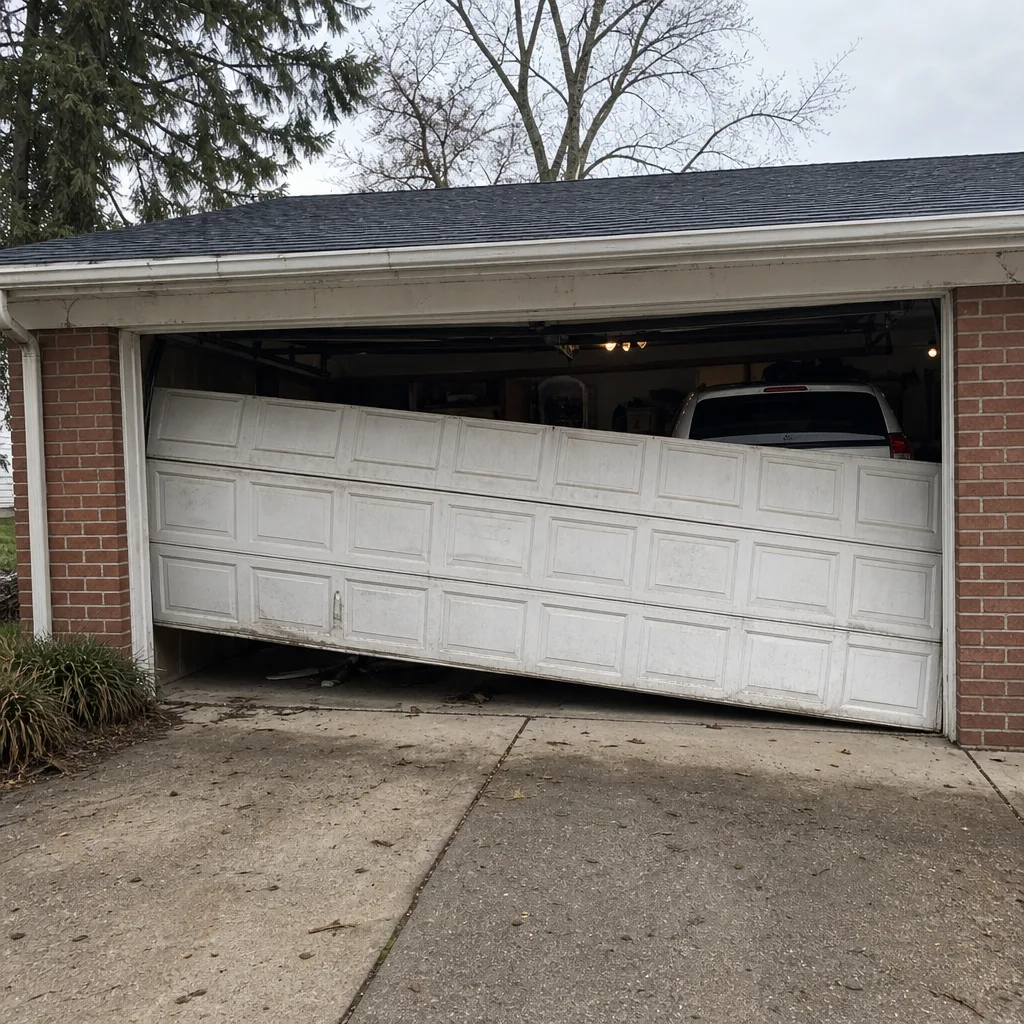 Before
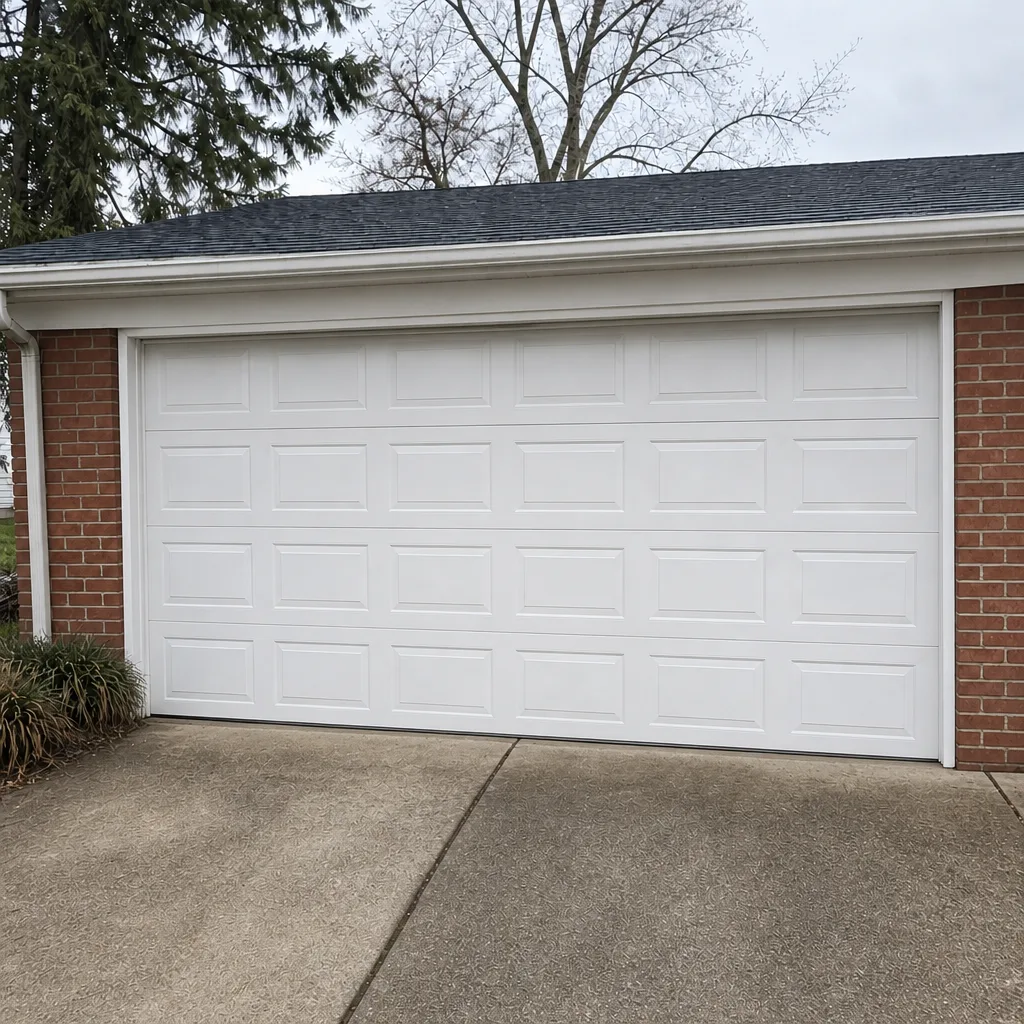 After
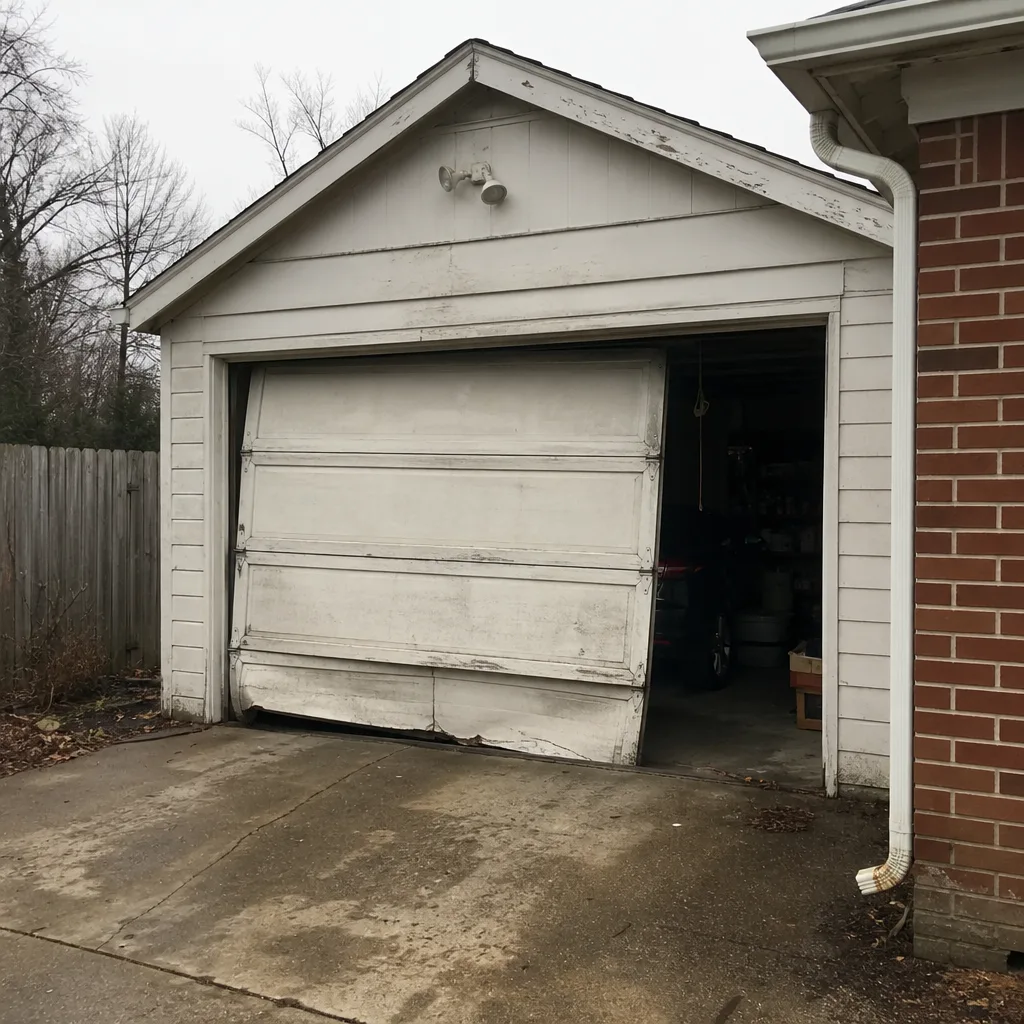 Before
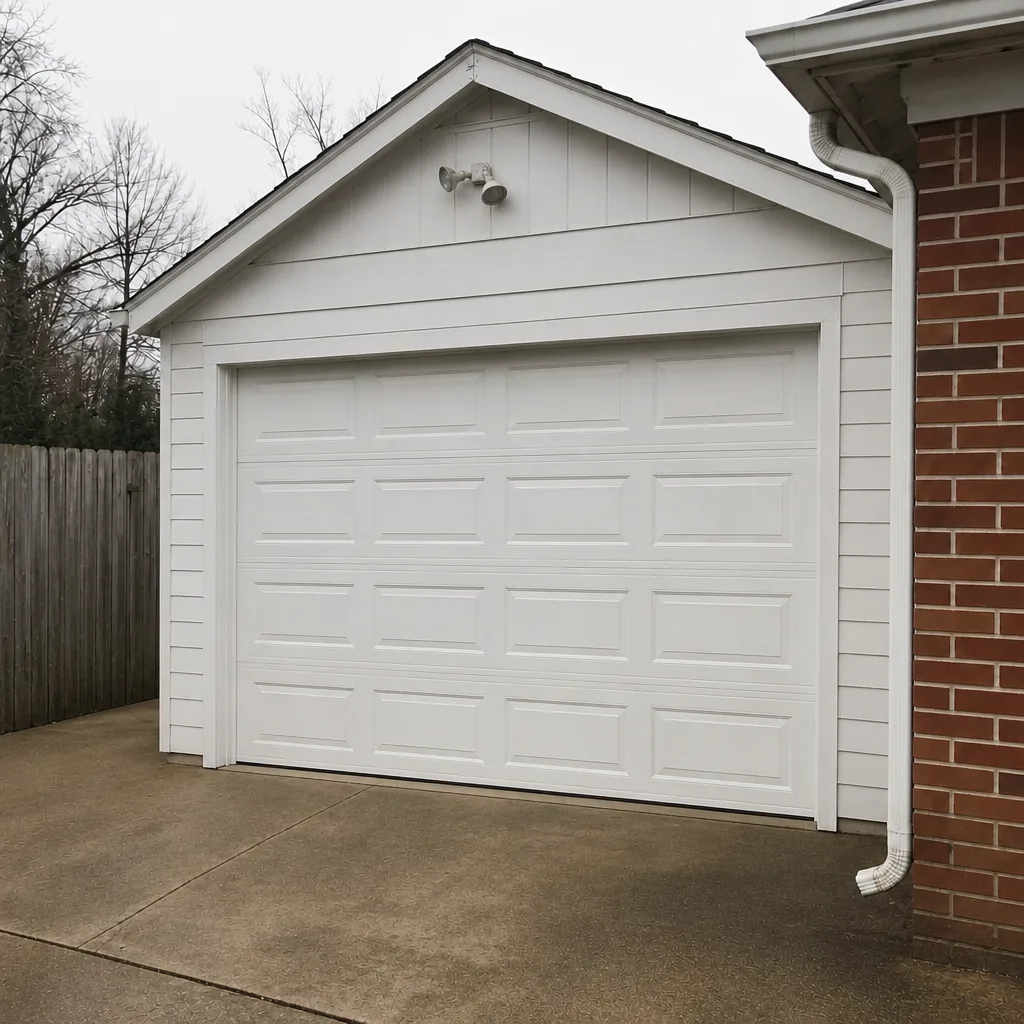 After
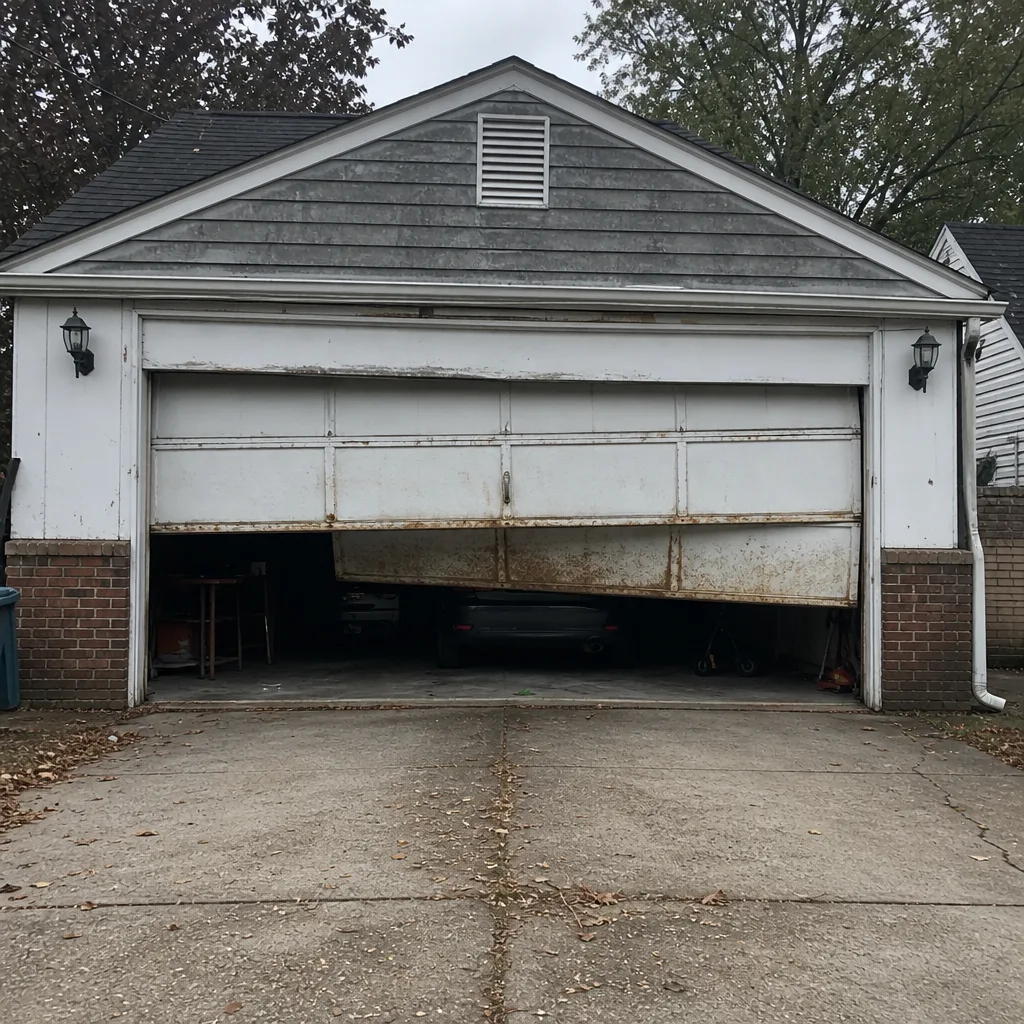 Before
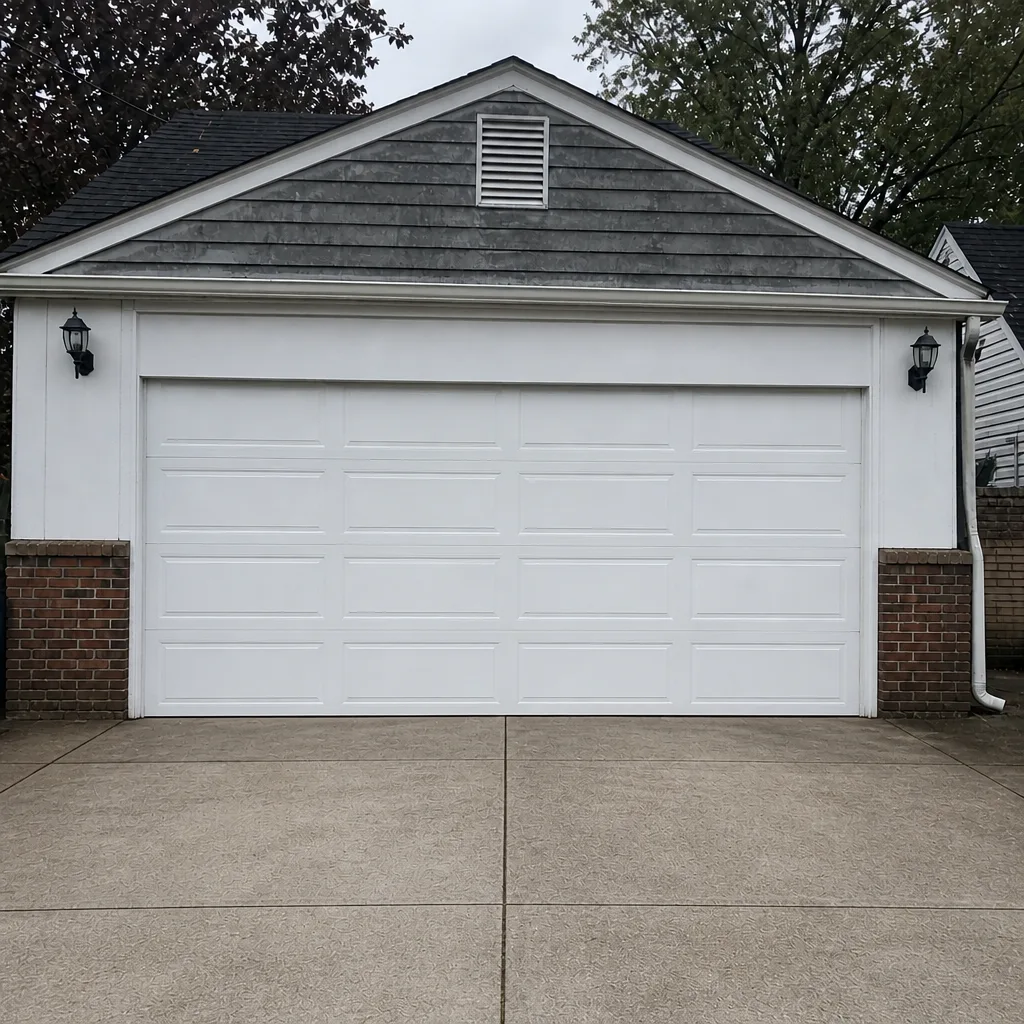 After
When to Call a Professional
Call us when the manual release won’t free the carriage, when a spring or cable has broken, when the door is off-track or hanging crooked, or when the door won’t stay shut and you need it secure. Those are the situations where waiting or a workaround risks injury or damage. If your door is stuck and blocking a vehicle during a storm watch, call and we’ll triage it with you on the phone. Our technicians have up to 12 years of experience, and we service eight of the most widely installed door and opener brands, so there’s no runaround if your equipment isn’t the common one. Portsmouth Garage Door Repair Co offers free estimates in Portsmouth – call (888) 839-5070. We answer 24/7, with fast dispatch from 7am to 7pm, Sunday through Friday. The price is quoted and agreed before any work starts, so there are no surprises on the invoice.
Frequently Asked Questions
Pull the red release cord hanging from the opener carriage, then lift the door by hand from the bottom center. If the cord won’t pull or the door feels extremely heavy, stop and call – the springs may be weak or the carriage jammed. Call (888) 839-5070 for help – estimates are free.
Run the balance test, inspect springs and cables for wear, check tracks and rollers for damage, verify the bottom seal sits flush, and test the opener’s safety reversal. Do this before June 1 each year. If any check fails, book a repair before the season starts rather than after.
A door in good repair can handle typical storm wind loads, but a door with weak springs, a bent track, or a loose seal is far more likely to fail. The pre-season inspection is what tells you which category your door is actually in. If yours has visible damage, call (888) 839-5070 for a free estimate.
No, an off-track door should not be reseated by a homeowner. Leave the opener off, keep clear of the door, and call for emergency service. Forcing it can drop the door or cause serious injury. Call (888) 839-5070 and describe what you see.
Response times go up during a regional storm event because demand spikes across Hampton Roads. Call early to get in line – we answer 24/7 and book calls into the next opening, Sunday through Friday, 7am to 7pm. We won’t send anyone into unsafe conditions, so timing depends on the weather.
No. The price is set per job by the written estimate, quoted and agreed before any work begins – there’s no storm surcharge or emergency premium. Call (888) 839-5070 for an exact quote – estimates are free.
We service LiftMaster, Chamberlain, Genie, Craftsman, and doors from Clopay, Amarr, Wayne Dalton, and Raynor, which covers most homes in Portsmouth. If you’re unsure what you have, tell us the brand name on the unit and we’ll confirm. Call (888) 839-5070.
The Bottom Line
The garage door emergency in Portsmouth is rarely the storm itself – it’s the door that was already failing when the wind arrived. Practice the manual release once this week, run the five-point inspection before June 1, and know the difference between a door you can work around and one that needs a technician now. A broken spring, a snapped cable, and an off-track door are stop-and-call every time. Do the prep and you’ll move the car when you need to, keep the door secure when you don’t, and avoid joining the call queue in the middle of a hurricane watch. When you need us, we’re here.
If your door is showing any of these warning signs, don’t wait for the forecast to turn. Reach out to Portsmouth Garage Door Repair Co for a free estimate – call (888) 839-5070. We answer 24/7, with fast dispatch from 7am to 7pm, Sunday through Friday. Our technicians have up to 12 years of experience, and every price is quoted and agreed before work starts.
Written by the team at Portsmouth Garage Door Repair Co.