
Last updated November 22, 2026
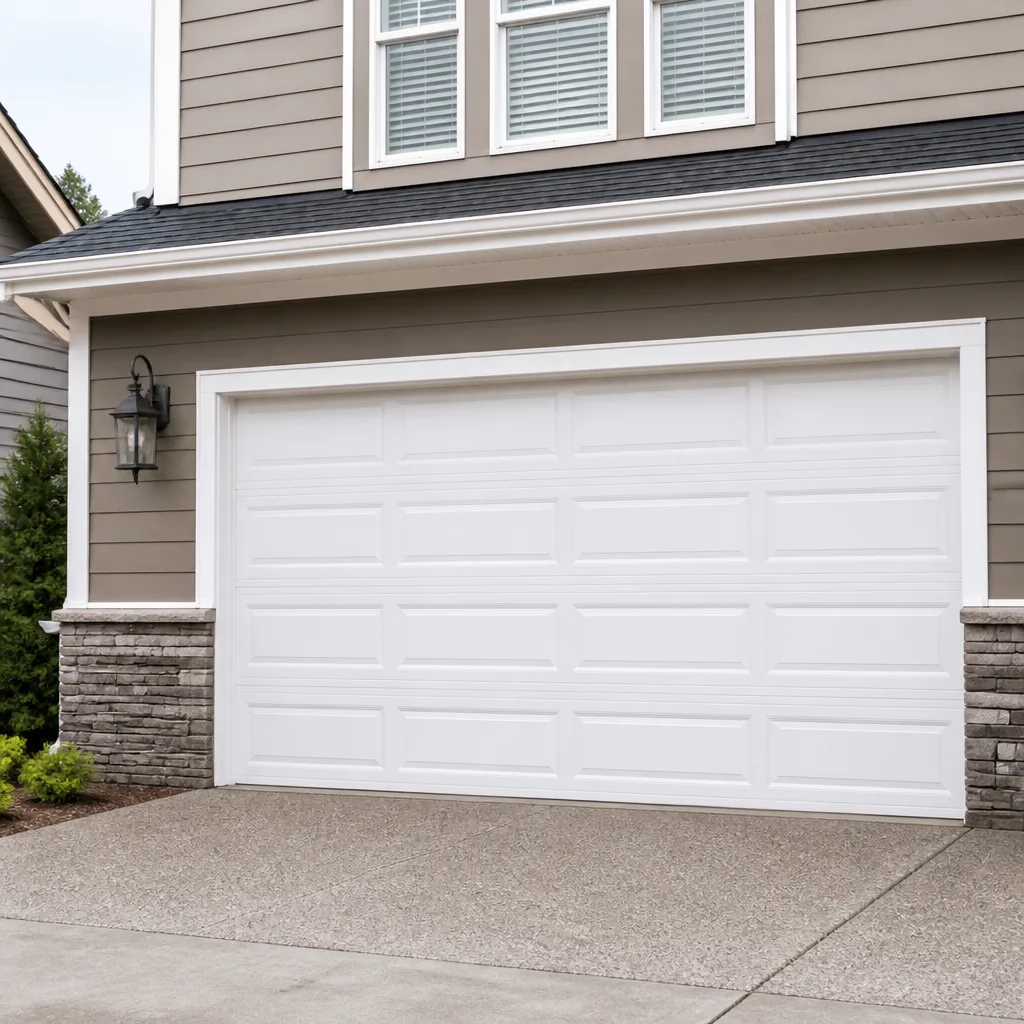 Raised-panel steel
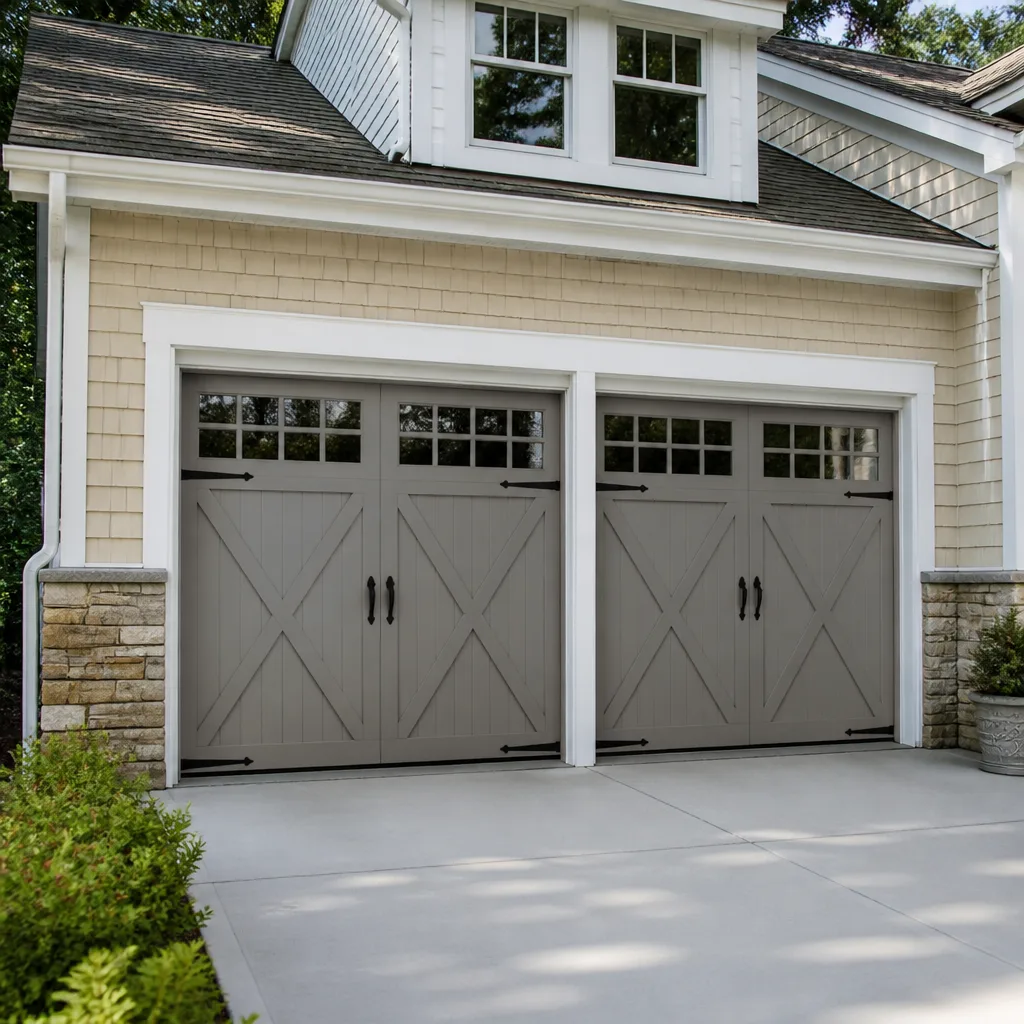 Carriage house
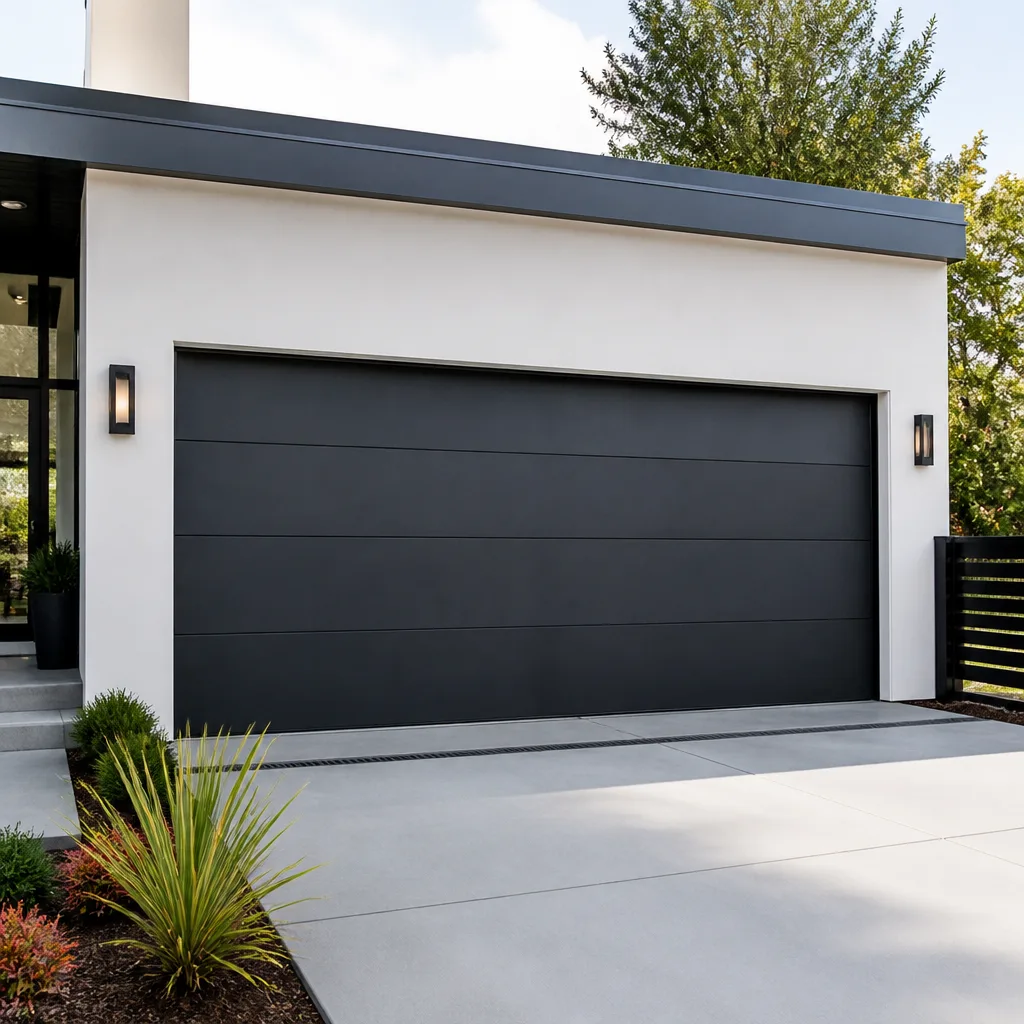 Modern flush
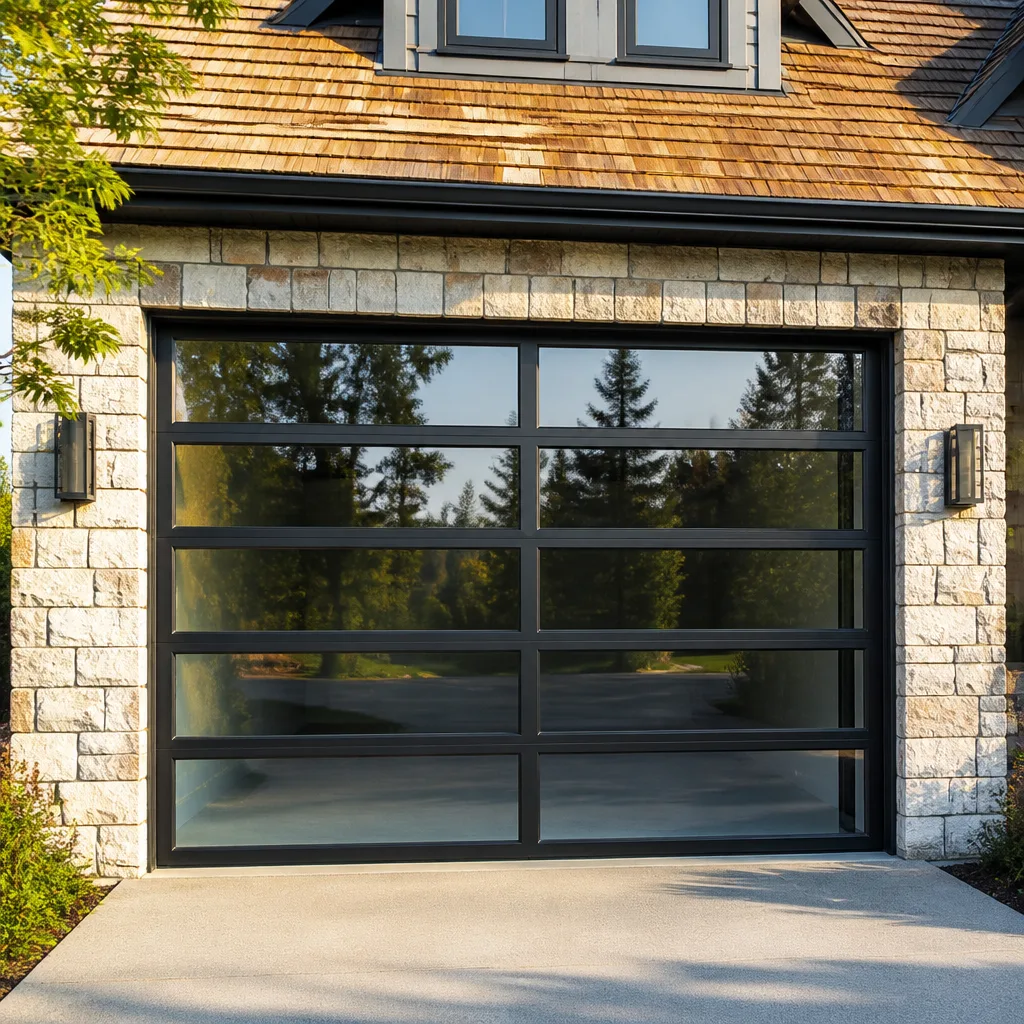 Full-view glass
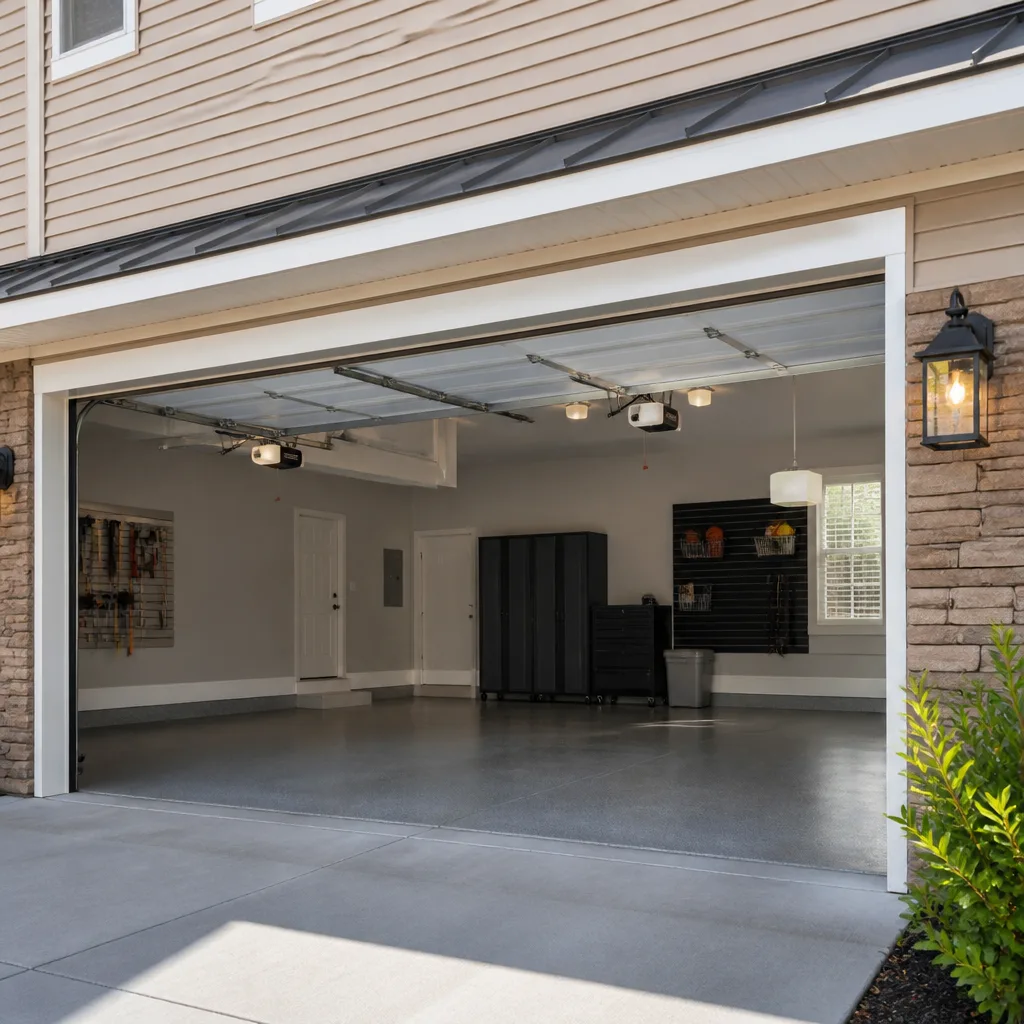 LiftMaster openers
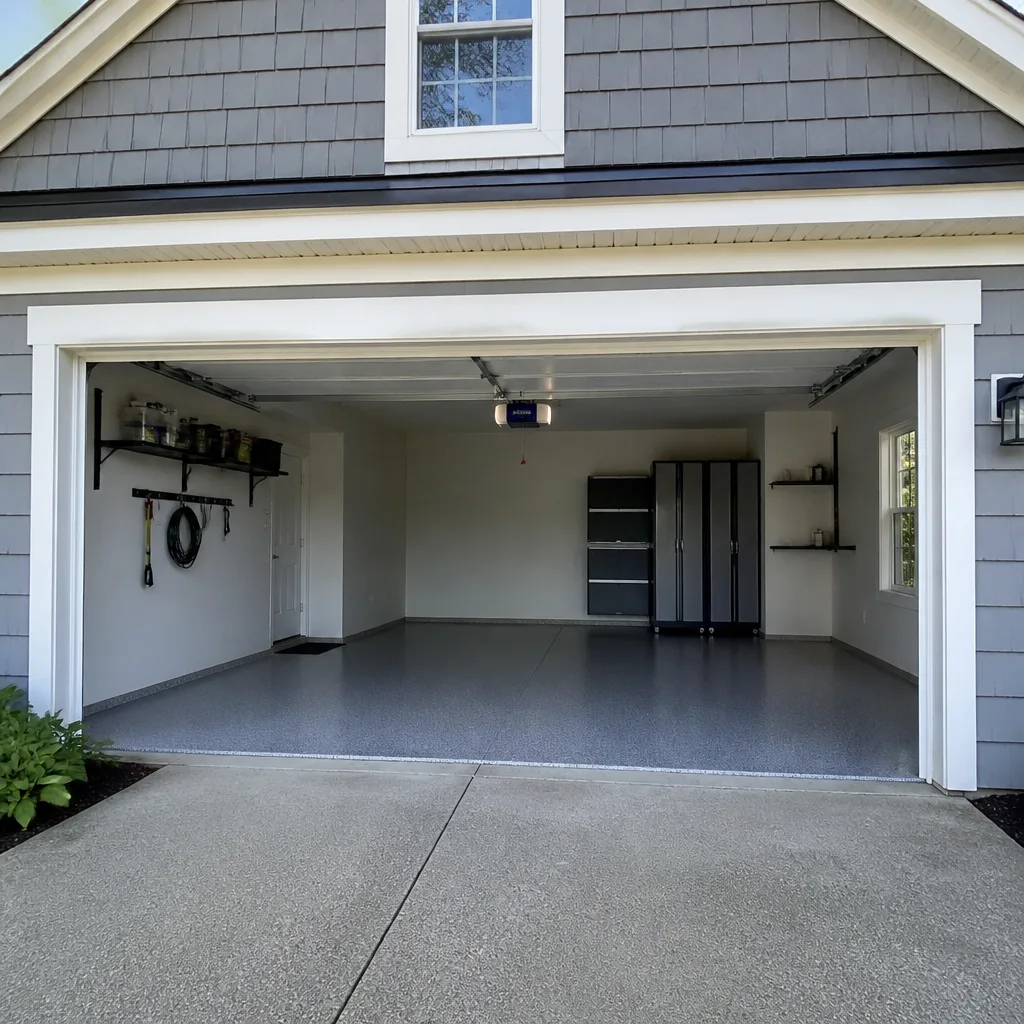 Chamberlain openers
Full 25-point door and opener safety check with every visit - springs, cables, rollers, tracks, and your LiftMaster or Chamberlain opener included
You get a price before we start. It does not change when the pro arrives.
Get your free estimateChoosing the Right Garage Door Brand: A Buyer’s Guide for Portsmouth
Most brand rankings you’ll find online are written for a national audience, and they lean heavily on showroom looks and customer-satisfaction scores. That’s fine for a homeowner in Ohio. It’s incomplete for a homeowner in Portsmouth, where the door has to survive summer humidity, blowing rain, and the occasional tropical system that pushes wind-driven water against the panels. A top-rated national brand can still be the wrong door for this market if its finish warranty excludes salt air, if it carries no wind-load rating suited to coastal Virginia construction, or if replacement parts have to ship in from three states away while your car sits in the driveway. This guide walks through what actually separates brands in Portsmouth, and what to ask before you buy.
Quick Answer
The best garage door brand for Portsmouth is the one with a finish warranty that covers coastal or salt-air exposure, a wind-load rating documented for coastal Virginia construction, and distributors that stock its parts within Hampton Roads. Among the widely installed names, Clopay, Amarr, and Wayne Dalton all offer lines built with these priorities in mind, but the specific model matters more than the badge on the box. Match the brand to your door’s exposure, then confirm parts availability locally before you sign.
Styles & brands we work with
- Raised-panel steel
- Carriage house
- Modern flush
- Full-view glass
- LiftMaster openers
- Chamberlain openers
Table of Contents
- Why Brand Choice Works Differently in Portsmouth
- The Three Criteria That Actually Matter Here
- Clopay, Amarr, Wayne Dalton, and CHI Compared
- What “Galvanized” and “Kynar Finish” Mean in Practice
- How to Read Wind-Load Certification (DASMA, Miami-Dade, Virginia)
- Opener Brands Compared: Battery Backup That Survives Storm Season
- Parts Availability: Same-Day Hampton Roads Access vs. Week-Long Shipping
- A Brand-Evaluation Checklist for Portsmouth Buyers
Why Brand Choice Works Differently in Portsmouth
Portsmouth sits in a part of Virginia where the air is humid most of the year and storms roll through with regularity. That combination is hard on anything metal, and it changes what a sensible brand pick looks like. A steel door that performs beautifully in a dry climate can show finish failure, bubbling paint, and fastener corrosion here far sooner than its national marketing implies. The brand is less important than whether that brand’s warranty, finish system, and hardware were designed for this kind of exposure.
There’s a second Portsmouth-specific factor: wind. Coastal Virginia construction has to account for higher design wind speeds than inland parts of the state, and your garage door is the largest opening on the front of most homes. A door that isn’t rated for the wind loads your area expects can fail at the worst possible moment.
And a third, often overlooked: parts. A garage door is a mechanical system with springs, cables, rollers, hinges, and track. When something breaks, the brand that matters is the one whose replacement parts your local pro can actually get. In our experience across Portsmouth, the fastest fix is almost always a brand with a distributor inside Hampton Roads.
Put those three together and the question shifts. It’s not “which brand is best” in the abstract. It’s “which brand is best for Portsmouth.” Those answers are not always the same.
The Three Criteria That Actually Matter Here
Homeowners shopping for a garage door in Portsmouth tend to ask about color, glass options, and price. All three matter. But they’re secondary to the three criteria below, each of which determines how the door holds up over the next decade or more.
1. Corrosion warranty terms
Read the finish warranty carefully. Some manufacturers exclude salt air exposure in the fine print. That exclusion is understandable for a Midwest-focused brand but disqualifying in coastal Virginia. Look for language that either explicitly covers coastal environments or, at minimum, doesn’t exclude them.
2. Wind-load rating availability
Wind-load rated doors cost a bit more, but they’re the right call for Portsmouth. The question is whether the brand offers rated models at all and can produce documentation for the specific model you’re ordering.
3. Hampton Roads parts distribution
Roughly half of garage door repairs come down to a part being available. A brand whose distributor keeps stock in the region means faster fixes. A brand that has to ship parts in from out of state means days of waiting on a door that can’t move. For a homeowner, that’s the difference between a problem and a real disruption. For a small-business property with vehicles coming and going, it’s an operational hit.
When we look at an existing door to see whether it’s worth repairing or replacing, those three criteria shape the conversation. If the door was never rated for this area or its parts are slow to source, sometimes replacement is the honest recommendation. If it was built for the conditions and just needs a component, garage door repair is almost always the better call.
Clopay, Amarr, Wayne Dalton, and CHI Compared
These are the four brands most Portsmouth homeowners ask about when they’re comparing residential doors. Each has strengths, and each has things to check before you commit. The comparison below is a snapshot of how they line up against the three criteria above. Model-by-model details vary, so treat this as a starting point, not a final verdict.
- Clopay: Deep lineup from economy steel doors up to premium carriage-house styles. Offers wind-load rated options on multiple product lines, and commonly provides finish warranties that address coastal exposure on higher-end product lines. Widely distributed, with parts commonly available through regional door and opener suppliers in Hampton Roads. A safe default choice for Portsmouth if the specific model has the rating and warranty language you want.
- Amarr: Known for solid mid-range steel doors and a production footprint that ships efficiently. Offers wind-load rated models, and offers finishes with documented salt-air protection on specific product lines. Worth checking line by line whether the finish warranty explicitly covers coastal environments, since coverage varies by model and finish.
- Wayne Dalton: Strong in insulated steel doors and flush-panel modern styles. Offers rated models up through higher design pressures, and its finish programs vary by line and color. Parts distribution is generally good in the region, though specific components sometimes ship from out of state, so build that into your timeline.
- CHI: A brand many homeowners don’t consider because it’s less aggressively marketed, but it’s a legitimate alternative with strong corrosion-resistant finish offerings and wind-load rated models. Distribution is thinner than the big three in some markets, so confirm parts access for your specific model before committing in Portsmouth.
Notice what this comparison doesn’t dwell on: color palettes, window arrangements, decorative hardware kits. Those are the easiest things to choose and the least likely to cause problems down the road. The four headings above are where the real differences sit. When you’re ready to talk through how a specific door fits your house, that’s a conversation worth having before any order goes in.
What “Galvanized” and “Kynar Finish” Mean in Practice
Two terms come up constantly once you start reading spec sheets, and their meaning gets blurred in marketing copy. Here’s the plain-English version, and why each matters in Portsmouth specifically.
Galvanized steel
Galvanizing is a zinc coating applied to steel to slow rust. It’s a sacrificial layer: the zinc corrodes first, protecting the steel beneath. A door sold as “galvanized” or “galvannealed” (a variant with a matte finish that paints better) will resist rust longer than bare steel. The catch is that coating thickness and quality vary widely. On a Portsmouth door, a galvanized base is a good start, but it’s not the whole story. The finish on top of it, and how well it seals edges and cutouts, matters just as much.
Kynar finish (fluoropolymer paint)
Kynar is a class of fluoropolymer coating that holds color and resists chalking better than standard polyester paint. It performs well where UV, humidity, and exposure are constant, which describes Portsmouth for much of the year. The trade-off is cost: Kynar is often an upgrade rather than standard equipment, though some brands offer it more accessibly on premium lines. For a door in a fully exposed position with no overhang protection, the upgrade is usually worth considering. For a door tucked under a deep carport or porch, standard finishes can hold up well if the base steel is properly galvanized.
What to look for
- Confirm the base steel is galvanized or galvannealed, not bare cold-rolled.
- Ask whether the finish is polyester or a fluoropolymer (Kynar) system, and how the warranty treats each.
- Read the fine print on salt-air exclusions before paying a deposit.
- Check that cut edges and factory openings are sealed or edge-primed.
- Ask your installer how they handle fastener compatibility, since mixed metals accelerate corrosion.
These are the small details that determine whether your finish looks clean in three summers or starts spotting. A brand that handles them by default is worth the extra cost over one that requires you to specify each one separately.
How to Read Wind-Load Certification (DASMA, Miami-Dade, Virginia)
Wind-load certification is the single most jargon-heavy part of buying a garage door, and the one most homeowners skip. Don’t skip it in Portsmouth. A rated door and an unrated door can look identical in a showroom and behave very differently when a storm pushes against the panels.
Here’s a straightforward way to evaluate any brand’s documentation.
- Ask for the specific test report. Not a marketing sheet saying “wind-load rated” – ask for the report that shows the design pressure (in psf) the specific model and size was tested to.
- Look for a DASMA reference. DASMA (the Door and Access Systems Manufacturers Association) publishes standards that test reports cite. If the manufacturer’s documentation references DASMA testing, that’s a good sign the rating is real and verifiable.
- Understand what a Miami-Dade NOA means. Miami-Dade County issues Notices of Acceptance (NOAs) for products approved for high-velocity hurricane zones. A Miami-Dade NOA is a strong indicator of rigorous testing, though it’s not a Virginia requirement. It’s a useful benchmark: if a model carries one, it has passed demanding testing.
- Confirm applicability to Virginia. Virginia’s coastal construction zone expects rated doors where they’re called for. Whether a specific door needs to be rated depends on your construction type, opening size, and local requirements. When in doubt, ask the city’s building department what documentation is expected for your project.
- Check the reinforcement details. Rated doors often have heavier gauge steel, additional struts, and specific hinge and track specs. If the door arrives without those, question whether it matches the tested configuration.
- Keep documentation with the door. If the door is ever inspected or insured, having the test report and installation documentation matters. Ask your installer to leave it with you.
In our experience, most of the wind-load confusion in Portsmouth comes down to a homeowner being shown one model’s rating while ordering another. If a brand offers rated models, ask for the rating on the exact model, size, and color you’re buying. If the documentation can’t be produced for that configuration, it’s not the right door for a wind-conscious installation.
Opener Brands Compared: Battery Backup That Survives Storm Season
If you’re replacing or adding an opener, the brand question matters too, and the criterion that counts most in Portsmouth is battery backup. Summer storm season brings power interruptions, and an opener with reliable battery backup means you can still get the car in or out during an outage. A dead opener in the middle of a storm is a sudden, real problem, and the difference between a manageable moment and a call for emergency help.
Here’s how the three big names compare on the things that matter.
- LiftMaster: A widely installed premium line with strong battery backup options across the lineup. MyQ smart-home integration is a strong point. Parts are broadly distributed, and service documentation is thorough. A common choice when someone wants an opener that integrates cleanly with a smart-home setup.
- Chamberlain: Closely related engineering to LiftMaster with a consumer-retail footprint (sold direct and through big-box retailers). Battery backup is available on multiple models. Good value, with the caveat that consumer models sometimes lack the commercial-grade components found in contractor lines.
- Genie: A dependable household name with reliable battery backup on current models. Distribution is solid, and parts are typically easy to source. A sensible choice for basic residential use where smart-home features aren’t the priority.
- Craftsman: Still found in a large number of homes, and still serviceable – but with older models, parts are increasingly hard to source. If your opener is an older Craftsman and something fails, that’s a common case in which replacement beats prolonged repair.
One thing worth knowing regardless of brand: the opener is often blamed for a problem that actually lives in the door. A stiff door, worn spring, or misaligned track puts strain on the opener and causes it to behave as if it’s failing. When we handle garage door opener repair, we look at the whole system rather than just the motor. It’s worth asking any technician to do the same, because replacing a healthy motor to fix an unbalanced door is the most common avoidable repair we see.
Parts Availability: Same-Day Hampton Roads Access vs. Week-Long Shipping
Parts availability is the most underrated criterion in brand selection, and the one that Portsmouth homeowners end up caring about most once something breaks. A garage door is a mechanical system, and something will eventually wear out. Whether that’s a roller, a hinge, a torsion spring, a cable, or a safety sensor, the speed of the fix depends on how quickly the right part can be in a technician’s hands.
Here’s a realistic picture of how brands stack up in Hampton Roads.
Brands with strong regional distribution
Clopay, Amarr, and Wayne Dalton all have distribution networks that reach Hampton Roads, which means many common parts can be sourced locally. For a standard residential repair, that often means the same-visit fix is genuinely possible. For uncommon parts, even good distribution can mean a day or two of wait, which is why asking your pro about local stock before a repair begins is never a wasted question.
Brands with thinner coverage
Some brands with strong consumer recognition have weaker contractor-level parts access in this region. A simple repaired component might not be an issue, but a proprietary part or a discontinued model can turn a repair into a multi-day project. When the door is the main way in and out of the house, or the primary access for a Portsmouth small business, that delay is the difference between an inconvenience and a real strain.
Older Craftsman and legacy brands
A significant share of homes in Portsmouth still have Craftsman openers and older doors installed by prior owners. Some parts are still available; others aren’t. When a legacy unit fails, a technician should tell you honestly whether a repair is realistic and worthwhile, or whether the parts search will cost more in time and effort than a replacement. That conversation is part of any honest garage door spring repair assessment or full-system checkup.
A Brand-Evaluation Checklist for Portsmouth Buyers
Here’s a numbered process you can walk through with any installer before you sign on a door. The order matters – the early steps protect you from costly surprises.
- Match the door to your exposure. Fully exposed front elevation, partial shade under a porch or carport, or interior-facing? The more exposed the door, the more the finish system matters.
- Get the specific model’s finish warranty in writing. Ask directly: “Does this warranty exclude salt air or coastal environments?” Don’t accept a verbal answer.
- Confirm wind-load rating for the exact size and model. Ask for the test report or documentation. If the door is a rated model, the paperwork should match your order.
- Check parts availability before you order. Ask which of the door’s common wear parts are stocked by regional distributors and which would need to be shipped. You’re not committing to a repair, but you’re learning how fast a future repair would be possible.
- Confirm the brand is on our serviceable list. We service LiftMaster, Chamberlain, Genie, Clopay, Amarr, Wayne Dalton, Craftsman, and Raynor. If the door you’re considering is a name we service, future repairs won’t be a referral runaround.
- Ask about installation documentation. Wind-load paperwork, warranty registration, and finish care instructions should be left with you at install time.
- Ask about the opener alongside the door. The brand of door and the brand of opener don’t have to match, but the two systems work together. Battery backup on the opener is worth prioritizing.
- Get a written estimate before work begins. The price you’re quoted in writing is the price you pay, whether that’s for the door and install, a spring replaced on the door you already own, or an opener.
That checklist takes maybe twenty minutes of your time and heads off the four most common garage-door regrets we hear about in Portsmouth: an underrated door, an underfinanced finish, an unavailable part, and an opener that isn’t the real problem.
Common Mistakes to Avoid
- Choosing by color and curb-appeal first. Pick the finish and style after you’ve confirmed the corrosion warranty and wind-load rating. Color is easy to change on paper; an unrated door in Portsmouth is a decision you live with.
- Ignoring the fine print on finish warranties. The single most expensive mistake we see is a homeowner buying a nationally popular brand, then discovering at year three that the warranty excludes salt-air exposure. Ask specifically about coastal coverage before you sign.
- Assuming a national review ranking equals a good fit here. A brand can be rated highly in national surveys and still be designed for a climate that doesn’t match Portsmouth. Read the warranty terms, not the star rating.
- Skipping wind-load documentation. Many homeowners never ask for the test report for their exact model. That’s the single document that determines whether your door is actually rated for the loads your area expects.
- Replacing an opener when the door is the problem. A straining opener is often a symptom of a binding door, worn spring, or misaligned track. In our experience, that’s the most common unnecessary replacement we’re called to.
- Choosing a brand based on current showroom floor stock instead of parts availability. The door looks great today. What matters is whether its wear parts can be reached from Hampton Roads in two days when something fails.
- Forgetting the opener’s battery backup. Portsmouth’s storm season brings power outages, and an opener without reliable battery backup leaves you manually opening the door in the rain. It’s a small feature with an outsized impact on daily life.
See the difference
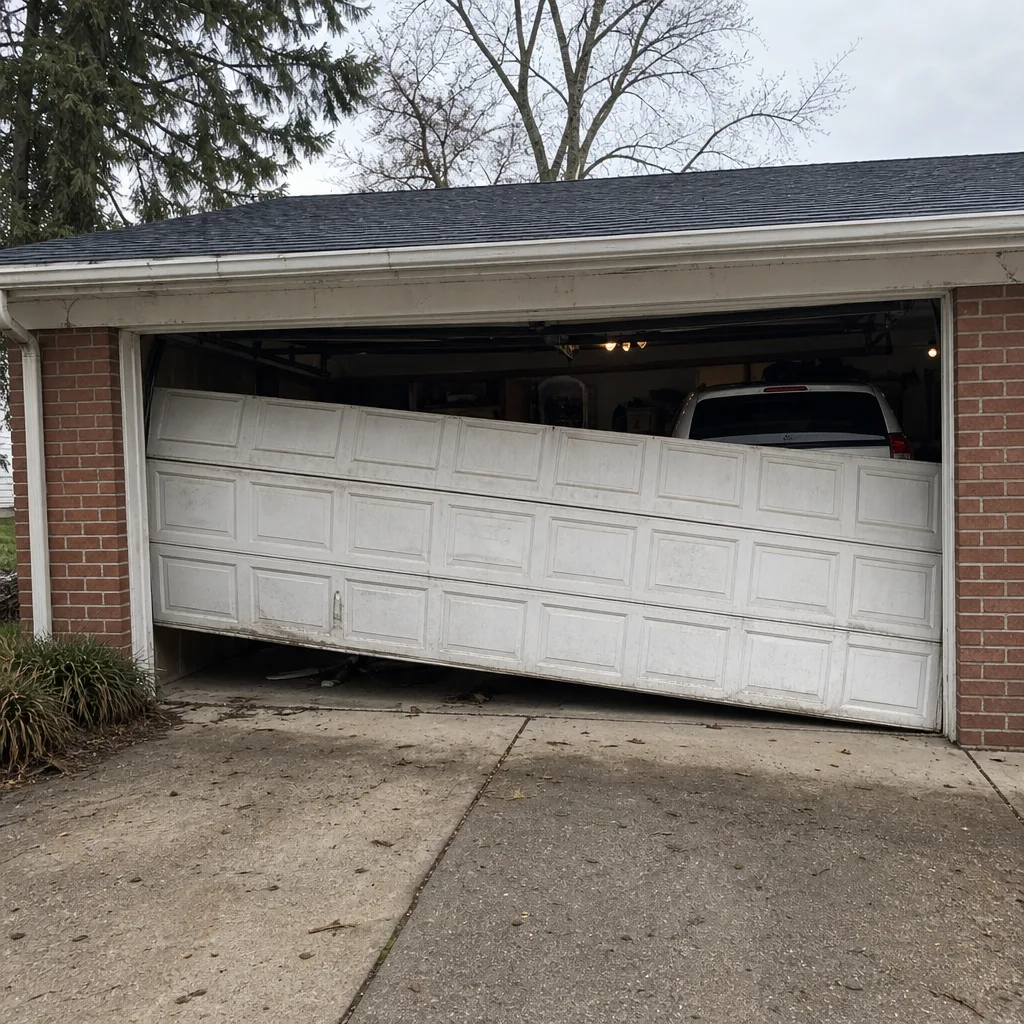 Before
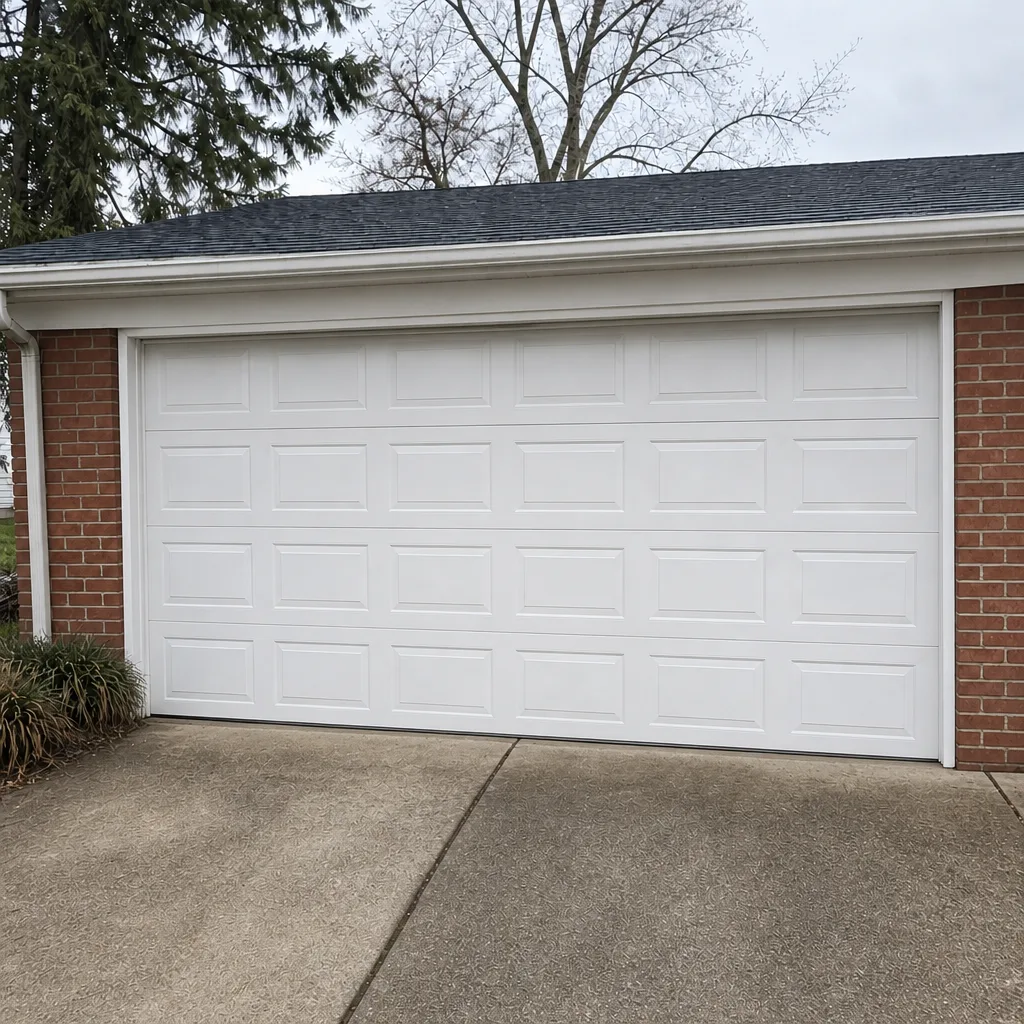 After
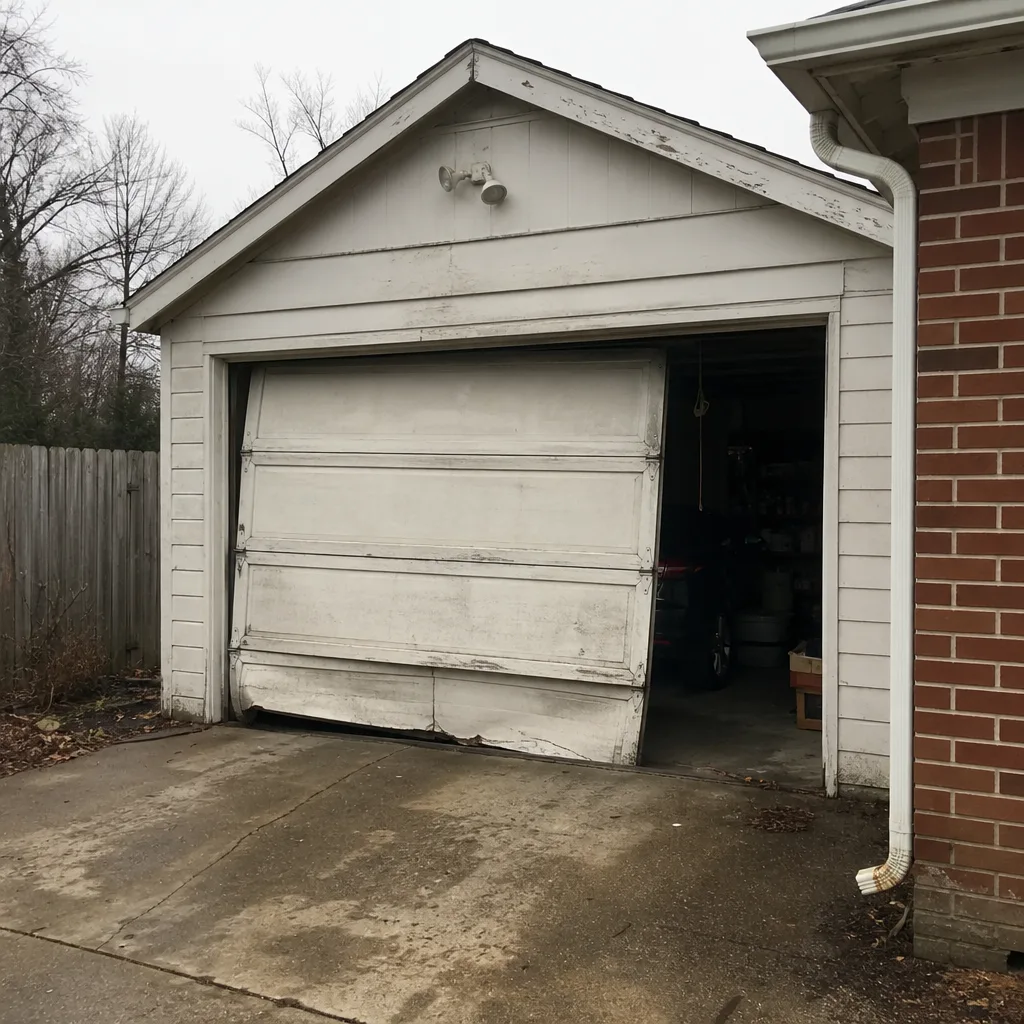 Before
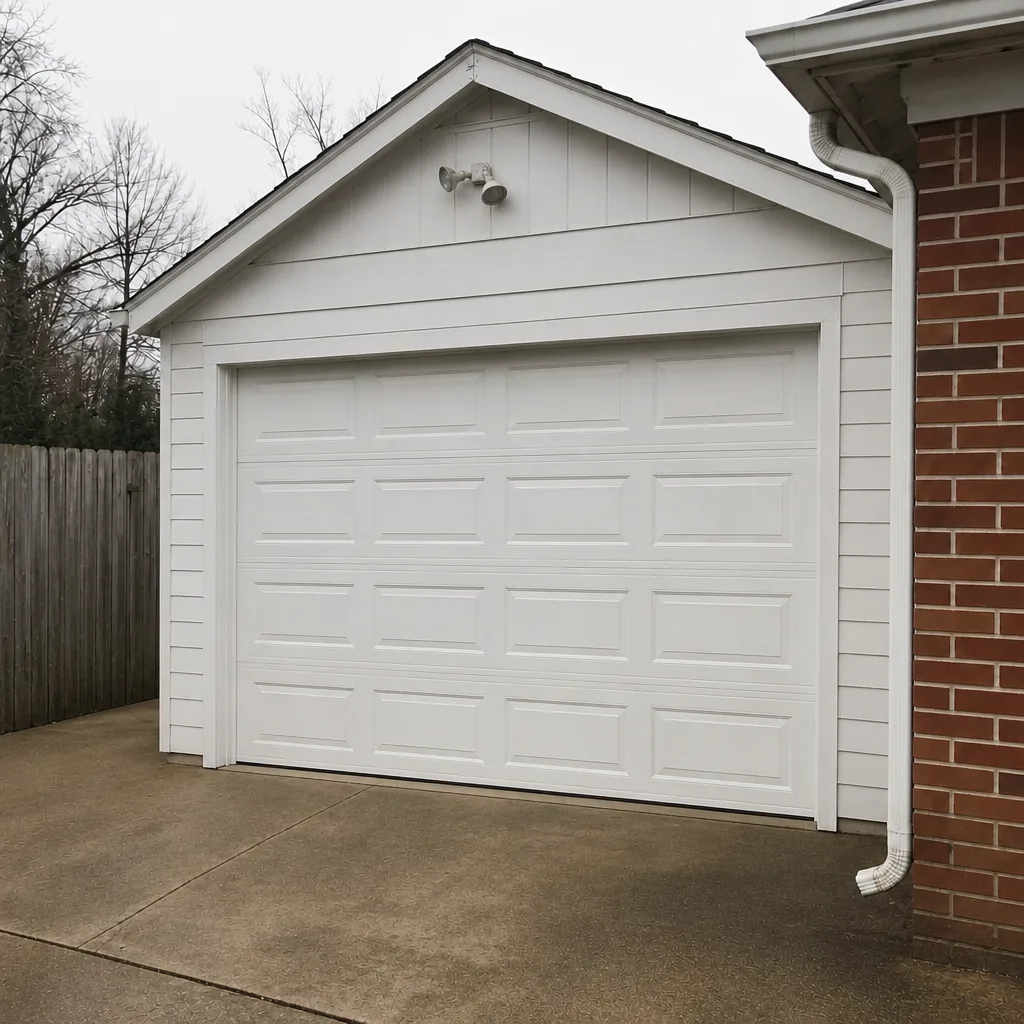 After
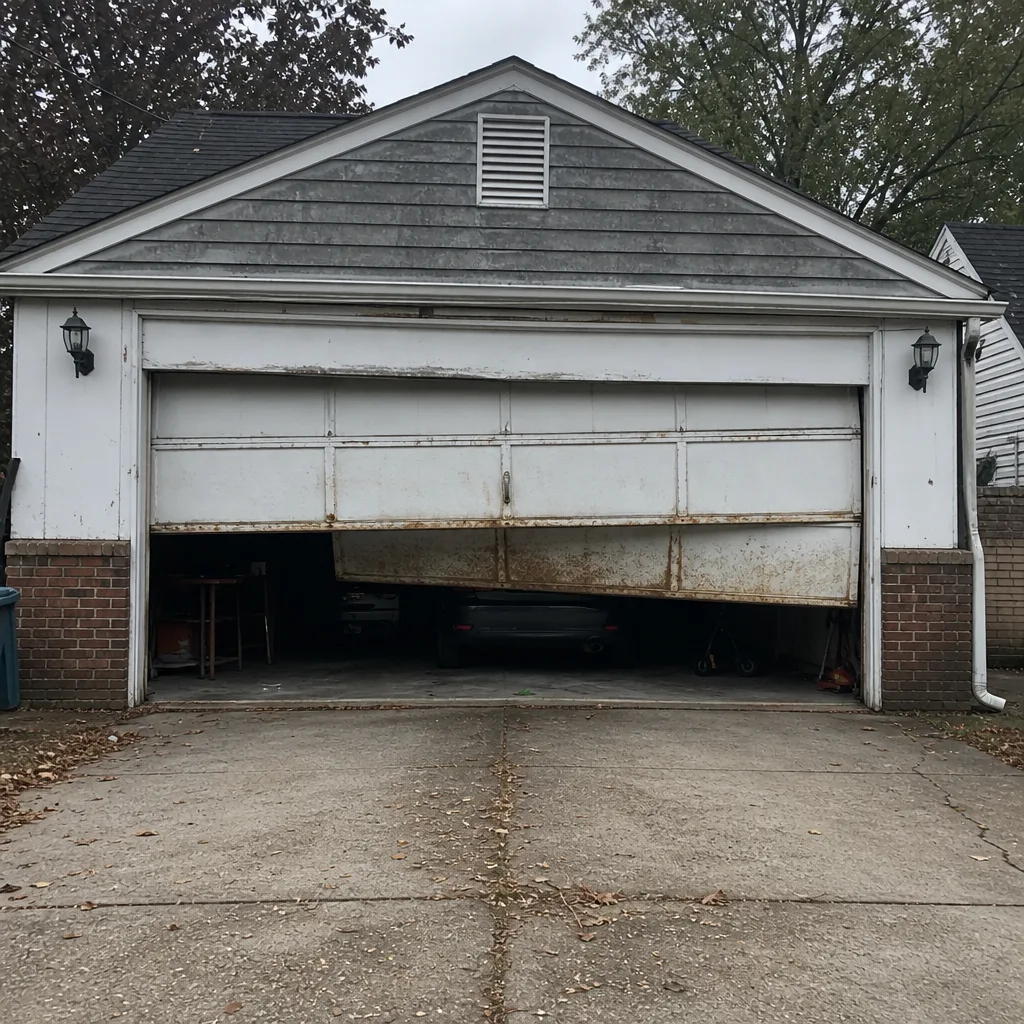 Before
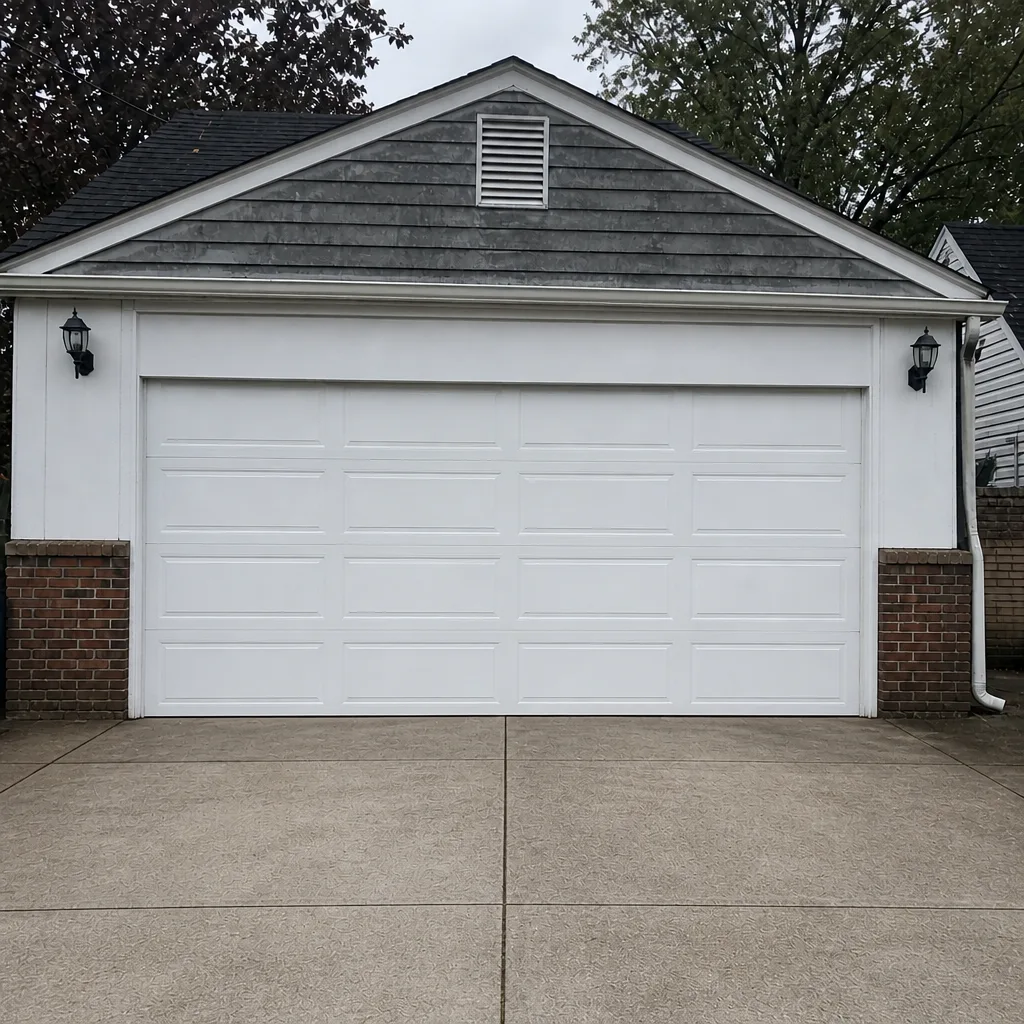 After
When to Call a Professional
Some garage door work is genuinely a job for a trained technician. Torsion and extension springs, high-tension cables, and the tensioning points on the track are the parts of the system that can hurt someone, and we don’t recommend homeowners work on them. If a spring has snapped (a loud bang followed by a door that won’t lift, or one that feels unnaturally heavy), don’t force it. If the door has come off its track, is binding, or won’t close fully, that’s a call. The same goes for an opener that hums without moving the door, a door that reverses before closing, and any situation where the door is hanging unevenly.
Portsmouth Garage Door Repair Co offers free estimates in Portsmouth – call (888) 839-5070. We work on the eight major door and opener brands, including Clopay, Amarr, Wayne Dalton, and Craftsman, so the brand question rarely leaves you looking for a second contractor. We answer 24/7. Fast dispatch from 7am to 7pm, Sunday through Friday. Our technicians have up to 12 years of experience with everything from a snapped spring to a full door replacement, and the estimate is free and the price is set in writing before any work starts.
Frequently Asked Questions
The best brand for Portsmouth is the one with a finish warranty that covers coastal exposure, a documented wind-load rating for your specific model, and parts stocked within Hampton Roads. Among widely installed brands, Clopay, Amarr, and Wayne Dalton all offer product lines that address these criteria, but the specific model matters more than the brand badge. If you want help sorting through the options, call (888) 839-5070 for a free estimate.
Brand matters less for a standard spring replacement than for a new door, because springs are sized by door weight rather than by brand. That said, the door’s weight rating and hardware compatibility can affect which spring is correct, and having a technician who works on the major brands ensures the spring is matched to your exact door. Call (888) 839-5070 for a free estimate.
Whether a wind-load rated door is required depends on your construction type, opening size, and local building requirements; ask the City of Portsmouth building department for what documentation applies to your project. Even where it isn’t strictly required, a rated door is worth the extra cost in coastal Virginia, since it performs better under wind pressure. Call (888) 839-5070 for a free estimate.
LiftMaster and Chamberlain both offer strong battery backup across their model lines, and Genie’s current lineup is also reliable on battery backup. The more important question is whether the opener’s battery backup suits your habits and presence, including whether the door stays usable for days or just for a short outage. Call (888) 839-5070 for a free estimate.
Yes, door brand and opener brand don’t have to match, and most homes already have mixed equipment. What matters is that the opener’s lift capacity suits the door’s weight and that both are correctly installed and balanced. Our teams work across all eight major brands, so mixed setups are routine. Call (888) 839-5070 for a free estimate.
We answer 24/7. Fast dispatch from 7am to 7pm, Sunday through Friday. A call outside dispatch hours is booked into the next opening, Sunday through Friday, 7am to 7pm. When a technician arrives, the diagnosis and price are agreed in writing before any work starts, and the estimate is free. Call (888) 839-5070.
The Bottom Line
Brand selection in Portsmouth is a corrosion question, a wind-load question, and a parts-availability question first. Don’t let a national ranking or a showroom display override the fine print on a finish warranty or the presence of a documented wind-load rating for your exact model. Clopay, Amarr, and Wayne Dalton are strong starting points, but read the fine print and confirm regional distribution before you commit. Mixing opener brands with door brands is fine; skipping battery backup on the opener is not. And if a spring has snapped, a door has jumped the track, or anything is binding, that’s a call for a trained technician rather than a weekend project. Call (888) 839-5070 for a free estimate. Portsmouth Garage Door Repair Co works on all eight major door and opener brands, and the price is set in writing before any work starts.
Written by the team at Portsmouth Garage Door Repair Co.